Steve Platt collects articles and notes on online dating services, professional matchmaking, speed dating events, and relationship advice for a range of locations and demographics.
"If you want a more personal approach to finding matches than online dating provides, consider enlisting the help of a professional matchmaker."
The site covers speed dating events in Stratford-upon-Avon and Warwickshire, New Jersey singles and professional matchmaking with over 25 years of dating experience, the costs of online dating services including eharmony and Badoo, a guide to legitimate cougar dating sites and avoiding scams, an article on Olympic ice skating pairs and figure skating romances, and a guide for expat dating in Baku, Azerbaijan.
Speed Dating in Stratford-upon-Avon
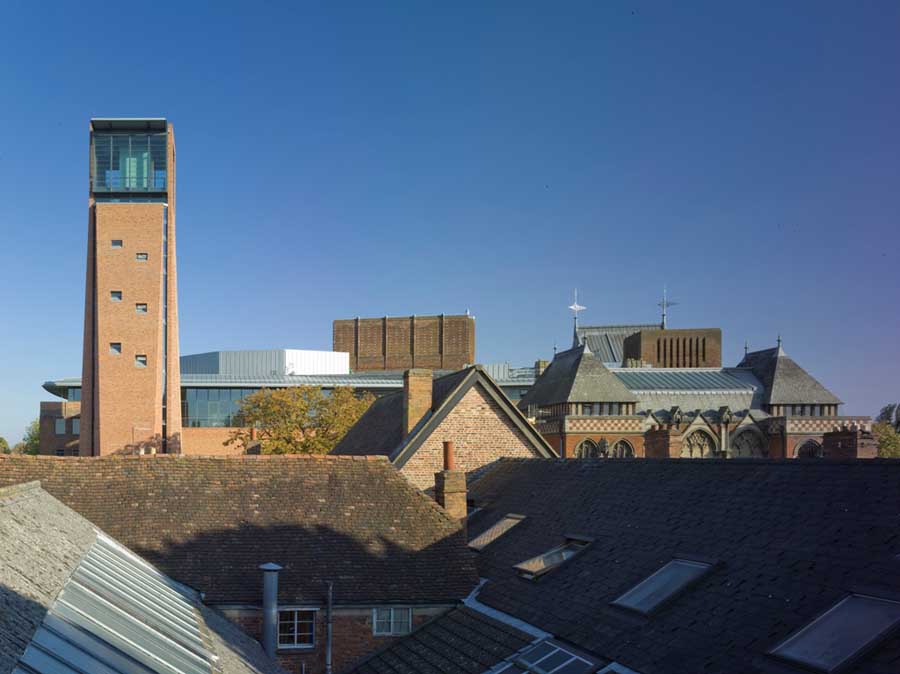
Information on speed dating events in Stratford-upon-Avon and Warwickshire, aimed at single men and women across Herefordshire and the wider region. The page also serves as an introduction agency listing and points to free join options, photos, chat rooms, interest groups, and private webmail.
Locations covered include Stratford-upon-Avon itself as well as nearby towns such as Coventry, with references extending across Warwickshire.
New Jersey Singles & Professional Matchmaking

An overview of professional matchmaking services in New Jersey, highlighting personalized coaching and over 25 years of dating experience. The article describes how a matchmaker works to understand a client's relationship goals, gathers preferences on age range, height range, smoking status, financial security, and personality traits, then brings two people together with continued feedback.
How to upgrade the fans on a receiver for quieter cooling
Receiver fans are often the first mechanical noise to come from a home theatre receiver, yet they are also responsible for moving heat away from the amplifier, power supply and video circuitry. Replacing a noisy fan with a quieter, correctly matched model can make a rack sound calmer without sacrificing operating temperature. The aim is not silence at any cost; it is controlled airflow that remains stable when the system is under load.
A receiver installed beside a projector, satellite box, game console and surround speakers often shares a media cabinet with other warm equipment. Its fans may draw air through the front, push it out through the rear, or use a combination of both. If the cabinet returns exhaust air to the intake, even a good replacement will cycle harder and run faster. Positioning, cable management and ventilation therefore matter as much as the fan itself.
Before opening the chassis, check the receiver’s manual and the label on its power supply. Australian mains is 230 volts at 50 hertz, and many imported receivers are designed for a different supply; never assume that a replacement part is interchangeable. If the receiver is still under warranty, ask an authorised Australian service centre about the fan. A receiver that smells hot, shows an unstable temperature reading or has already suffered a power surge deserves professional attention rather than an improvised swap.
Start with a written plan. Record the receiver model, fan dimensions, voltage and current marking, connector type, screw locations and airflow direction. Note whether the fan stops completely, runs continuously or changes speed with temperature. Gather the specified replacement, the correct screwdriver, small cable ties and a thermometer. These checks turn a potentially damaging experiment into a reversible maintenance job.
Understand the receiver’s cooling layout
Trace the intended airflow before removing anything. Look for intake slots, rear exhaust vents, dust filters and any arrows moulded into the fan housing. A receiver in a narrow shelf may pull air through a space shared with cables, while a unit near a ceiling cavity can be surrounded by hot trapped air. Keep speaker wires, HDMI leads and satellite cables out of the vents; bundle excess length at the back of the cabinet rather than across the fan.
Make a baseline before changing hardware. Play a film or game for 20 minutes at a typical volume, record the fan sound, note whether it cycles, and measure the temperature near the intake and exhaust with an infrared thermometer. Repeat the test on a warm evening, especially in Sydney, Melbourne, Adelaide, Perth or Brisbane, where a sealed cabinet can become much warmer than the lounge. A stable baseline makes it possible to distinguish a bearing fault from a receiver that is simply working too hard.
Match a replacement fan to the receiver
Use the fan’s part number and electrical markings as the starting point. Match its voltage, current, physical diameter, depth, connector and airflow direction; the controller may drive a fan beyond its rating if the replacement draws too much current. Prefer a documented replacement with equal or better airflow and static-pressure performance, not merely a lower noise figure. For a receiver, a quality brushless DC model in the correct size is often a practical choice, while a larger fan needs a checked bracket and clearance.
Bearings and control electronics determine the sound a fan makes. A sleeve-bearing replacement may be inexpensive but can develop a dry rattle; a sealed ball-bearing or brushless model is usually better suited to a long-running cabinet. If adding a temperature-controlled module, match its sensor and control signal to the receiver’s fan circuit, and make sure an adapter does not obstruct the grille. If the receiver has a tachometer or PWM connection, preserve that function rather than using a random four-pin cable.
Shopping locally can make parts easier to compare. Australian AV retailers and electronics suppliers such as JB Hi-Fi, The Audio Centre and Bunnings may stock common fan sizes, while an AV service specialist can source an exact match. For overseas orders, check GST, any Australian Customs charges and delivery terms before buying, and confirm that the fan is suitable for the receiver rather than merely for a desktop PC. The wider rack layout can be checked alongside Larkn Raven when cable routing and equipment placement need a wider view.
Make the electrical work safe
Disconnect the receiver from mains and every signal source before removing the cover. Photograph the original wiring, fan connector and mounting points, and keep the screws, brackets and rubber isolators in a labelled tray. Many receiver power supplies contain capacitors that can retain a charge after disconnection, so follow the service manual’s discharge instructions; if you are not experienced with mains equipment, have a qualified technician open and close the chassis.
Power protection is a separate layer from fan service. A surge protector cannot repair a loose earth, overloaded circuit or poor ventilation, and it should never be daisy-chained with another power strip. Many Australian homes use RCD-protected circuits and 10-amp outlets, but an electrician should confirm that the rack’s circuit and earthing are suitable; the surge protection planning guide offers a useful starting point for protecting the rest of the home-theatre equipment.
Fit and connect the new cooling fan
Remove the old fan only after the replacement is in hand. Support the harness, release the connector rather than pulling individual wires, and transfer the bracket or rubber pads to the new unit. Fit the fan with the labelled airflow facing the same direction as the original. Keep fingers, screwdrivers and cable ties clear of the blades, and leave the vents unobstructed. A two-wire DC fan is simpler to install than a PWM or tach-equipped model, but it is not automatically the quieter or more effective choice.
Connect the replacement with the correct polarity, reusing the original plug only when its pin arrangement is known. Otherwise, fit a correctly rated connector with fully insulated crimp or soldered joints. Recheck every screw and the clearance around the fan. If the work is within your competence, restore power with the chassis clear of loose tools; otherwise, ask the technician to perform the test. Listen for a low, even tone rather than a scrape or buzz, and confirm that the fan starts at the receiver’s expected temperature. The main choices can be compared as follows:
| Fan choice | Relative noise | Cooling expectation | Main check |
|---|---|---|---|
| Exact original-spec replacement | Low to moderate | Matches the receiver’s design | Model number, voltage and connector |
| Quality brushless DC replacement | Often low at the same speed | Good when airflow and pressure are adequate | Size, depth and static pressure |
| Larger fan with an adapter | Can be low at useful speeds | Potentially strong, but dependent on the fit | Bracket, grille and clearance |
| Temperature-controlled replacement | Quiet during mild conditions | Tracks changing heat demand | Sensor and PWM or tach compatibility |
Tune the projector and receiver together
Once the new fan is working, use the receiver’s menu or service controls to set its behaviour where available. Leave automatic thermal control enabled, since a fan that stops completely can be ideal in a cool room but unsafe during an extended film. Keep the cabinet open enough for the receiver to draw clean air, and ensure the projector, satellite receiver and speaker amplifier do not share a blocked exhaust path. A well-ventilated setup may let the fan run slower than one fighting a hot recirculation loop.
Video calibration is a separate adjustment from cooling. Once the receiver and projector are connected and the image is stable, projector colour calibration is a useful next task; changing brightness, contrast or HDMI settings can make the image appear worse even when the hardware is operating correctly. Keep the receiver’s picture mode consistent with the projector’s native mode, and leave the fan service untouched while judging picture quality.
Test cooling and isolate remaining faults
Run a realistic test rather than judging the fan during the first few seconds. Use a long film, a video game or several hours of music at normal volume, then record the intake and exhaust temperatures, fan speed and audible noise. Compare the results with the baseline. If the exhaust remains hotter than expected, move the receiver away from the cabinet wall, clear dust from the vents and check that the fan direction has not been reversed. Stop using the unit if the temperature continues to rise.
A blank image or a projector that will not start is not necessarily a cooling fault. Follow projector power troubleshooting to separate signal, power and lamp issues, then return to the receiver’s fan inspection if the picture returns but the receiver still overheats. For fan symptoms, a rattling bearing can be replaced with a matching sleeve or ball-bearing unit; buzzing may indicate polarity, a loose connector or interference from a switched power supply. Any burning smell, exposed copper or repeated shutdown needs a service technician, not another online experiment.
Practical recommendations for quieter, safer cooling
Quietness is an ongoing maintenance goal. Dust, pet hair and pollen can reduce airflow, especially in an Australian home where the rack sits near a doorway or under a roof space with seasonal heat. Clean the intake grille with a soft brush and low suction, keeping liquid away from the receiver. Inspect cable ties and connectors every few months, and repeat the temperature test before a long summer event or a major football night.
A sensible buying plan keeps the safety margin visible. Record the part details, airflow direction and test results, and keep the original fan labelled in case the replacement needs to be returned. Local electrical work should be checked by a licensed electrician, while internal receiver work should be left to someone comfortable with 230-volt appliances and stored charge. These habits preserve the benefit of the quieter fan without creating a second problem.
- Match voltage, current, connector, diameter and depth before ordering a fan.
- Compare documented airflow and static pressure as well as the advertised dB rating.
- Keep every intake and exhaust path clear, including the space behind the receiver.
- Test with a full-length source and compare temperatures before and after the change.
- Use Australian-compliant power protection and qualified electrical support for mains wiring.
A documented, correctly matched fan should make the receiver less intrusive while keeping its thermal controls in charge. Pair that mechanical change with sensible placement, regular cleaning and a sound power plan, and the projector, satellite receiver and surround-sound equipment can operate as one properly ventilated system.
Legitimate Cougar Dating Sites

A guide to finding legitimate cougar dating sites, avoiding scams, and getting good results on platforms such as CougarDate.com, Cougar Life, and Adult FriendFinder. The article lists seven cougar dating sites, examines whether CougarDate.com is a scam, and includes a separate list of free dating and hookup sites.
Olympic Ice Skating Pairs and Romances

An article discussing prominent figure skating romances, marriages, and couples among Olympic ice skating pairs. It profiles eight Olympic ice skating pairs who are couples in real life and explains the required elements of pair skating, including lifts, twist lifts, throw jumps, jumps, and spins.
Expat Dating in Baku

A guide for expatriates looking to date in Baku, Azerbaijan. Topics include social life for expats, safety and comfort in areas like Downtown Baku, the visa process, getting around by mass transit, and monthly events for expatriates. The piece also references Baku hotels and places to stay.
Reformed Matchmaking and Jewish Dating

Content related to Reformed matchmaking, JRetroMatch, and Jewish matchmaking services within the context of religious observance. The article discusses Reform Judaism, the spectrum of positions on halakhic observance, and looks at how matchmaking functions within observant communities.
Age Gap Dating Advice

A discussion on age preferences in dating, referencing research guidelines and personal experiences with age-gap relationships. The piece references Psychology Today and examines whether one well-known age guideline may not work for everyone, along with personal anecdotes from readers.