Steve Platt collects articles and notes on online dating services, professional matchmaking, speed dating events, and relationship advice for a range of locations and demographics.
"If you want a more personal approach to finding matches than online dating provides, consider enlisting the help of a professional matchmaker."
The site covers speed dating events in Stratford-upon-Avon and Warwickshire, New Jersey singles and professional matchmaking with over 25 years of dating experience, the costs of online dating services including eharmony and Badoo, a guide to legitimate cougar dating sites and avoiding scams, an article on Olympic ice skating pairs and figure skating romances, and a guide for expat dating in Baku, Azerbaijan.
Speed Dating in Stratford-upon-Avon
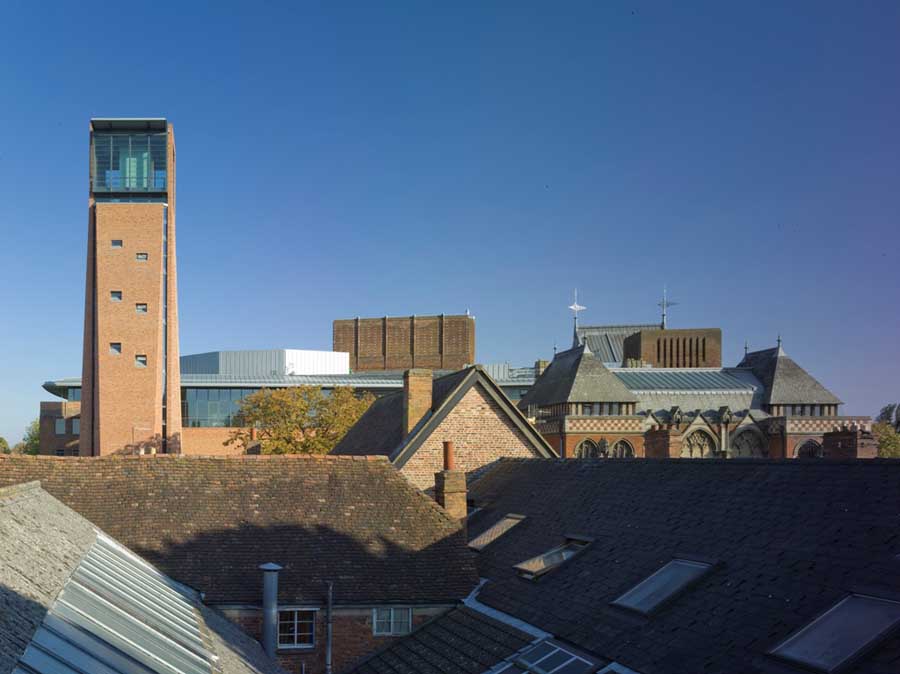
Information on speed dating events in Stratford-upon-Avon and Warwickshire, aimed at single men and women across Herefordshire and the wider region. The page also serves as an introduction agency listing and points to free join options, photos, chat rooms, interest groups, and private webmail.
Locations covered include Stratford-upon-Avon itself as well as nearby towns such as Coventry, with references extending across Warwickshire.
New Jersey Singles & Professional Matchmaking

An overview of professional matchmaking services in New Jersey, highlighting personalized coaching and over 25 years of dating experience. The article describes how a matchmaker works to understand a client's relationship goals, gathers preferences on age range, height range, smoking status, financial security, and personality traits, then brings two people together with continued feedback.
How to Set Up a Zone 2 Audio System With Your Receiver
A Zone 2 system lets one AV receiver serve two listening areas. You might watch a film through the projector in the lounge room while someone listens to music on speakers in the kitchen, patio or spare room. The receiver handles the sources and volume separately, so a second amplifier is not always required. Learn more about A Practical Guide To Scanning Negatives With Severe Color Fading.
The exact method depends on your receiver’s outputs. Some models have powered Zone 2 speaker terminals, while others provide only a Zone 2 pre-out that must connect to a stereo amplifier or active speakers. Before moving cables, check the rear-panel labels and the manual, as manufacturers use different menus and source restrictions.
Australian homes can make this setup slightly more involved. Open-plan rooms, brick walls, long cable runs and outdoor entertaining areas all affect speaker placement. A careful plan for source compatibility, ventilation and cable routing will save time, particularly when the receiver also feeds a projector, satellite box and surround speakers.
Check The Receiver And Room Layout
Start by identifying the equipment already connected. A typical arrangement might include a satellite or pay-TV receiver, Blu-ray player, game console, streaming device and projector in the main zone. Zone 2 could use a pair of bookshelf speakers in the kitchen, ceiling speakers in a dining area or weather-resistant speakers under a covered verandah.
Look for terminals marked “Zone 2,” “Zone B,” “Assignable,” “Surround Back/Height” or “Pre Out.” Powered Zone 2 terminals look much like the regular front-left and front-right speaker terminals. A Zone 2 pre-out usually consists of red and white RCA sockets and sends a line-level signal to a separate amplifier. Do not connect passive speakers directly to RCA pre-outs.
Receiver power and speaker compatibility matter. Confirm the amplifier’s recommended impedance before choosing speakers, especially if the second zone will play loudly for long periods. This guide to choosing an AV receiver is useful when an older unit lacks the outputs or power needed for your room. In Australia, replacement receivers are commonly sold through specialist hi-fi retailers, electrical chains and online marketplaces, so compare the Australian model number rather than relying on an overseas specification.
Plan the cable route before installation. In a brick veneer home around Melbourne or Adelaide, fishing cable through walls may require more work than running it through ceiling space or skirting duct. Keep speaker wire away from mains leads where practical, label both ends, and leave a little slack behind the rack and each speaker.
Wire The Second Zone Safely
For a receiver with powered Zone 2 terminals, switch the unit off and connect the positive terminal to the positive terminal on the left speaker. Repeat the process for the negative terminal, then wire the right speaker in the same way. Use two-conductor speaker cable with a suitable gauge for the distance. Long runs to a patio or detached room benefit from heavier cable and protected conduit.
Check for stray copper strands before powering the system. A loose strand touching the opposite terminal can trigger protection mode or damage the amplifier. If the cable passes through a wall, use wall-rated cable where required and avoid placing it beside lighting transformers, power supplies or other sources of interference. Outdoor speakers should be rated for outdoor use, with joins protected from moisture rather than wrapped loosely in electrical tape.
A pre-out arrangement is often more flexible. Connect the receiver’s Zone 2 left and right RCA outputs to an unused input on a stereo amplifier, integrated amplifier or powered speaker system. Set the external amplifier to the matching input and use its gain carefully. If the receiver offers variable Zone 2 volume, you can control level from the remote; if it is fixed, the amplifier becomes the main volume control.
Some AV receivers allow the unused surround-back or height channels to power Zone 2. This is convenient, but it may disable a particular Dolby Atmos or surround configuration. Read the assignment menu before selecting it. If the second zone is far from the receiver, a small dedicated amplifier near the speakers can make cable management easier and reduce the temptation to run very long RCA leads.
Connect Sources And Configure The Projector
Connect the projector to the receiver’s main HDMI output, preferably the port marked “Monitor Out,” “Main Out” or “ARC/eARC.” The satellite receiver, media player and other HDMI devices should plug into the receiver’s labelled inputs. If the projector is mounted on the ceiling, use a certified high-speed HDMI cable and allow enough service loop to lower it for maintenance.
Zone 2 source limitations are important. Many receivers can send analogue audio, network audio, Bluetooth or selected HDMI sources to the second zone, but some older models cannot distribute every digital input. A source connected only by optical, coaxial digital or HDMI may work in the main room while remaining unavailable in Zone 2. If music is the priority, connect a source with analogue RCA outputs or use the receiver’s network streaming functions.
Video and audio settings can also conflict. If the projector shows a black screen, check the receiver’s output resolution, HDMI handshake and projector input. For compatible displays, enable 4K HDR pass-through in the receiver menu, then confirm that the source, HDMI cable and projector all support the selected HDR format. An older cable may pass standard 4K but fail with high-bandwidth HDR content.
Do not assume the projector’s built-in speaker is suitable for the second room. Projectors are usually designed for short demonstrations rather than distributed audio. Keep the main surround system assigned to the projector room and direct Zone 2 to its own speakers or amplifier. In a sunny Queensland lounge or a warm enclosed cabinet, leave generous ventilation around the receiver; heat shortens component life and can cause intermittent shutdowns.
Adjust Zone 2 Controls And Listening Levels
Use the receiver’s remote or front-panel Zone 2 button to select the second room. Choose the source, set the volume, and confirm whether the menu offers independent bass, treble, balance and maximum-volume controls. Setting a sensible maximum prevents accidental full-volume playback when someone picks up the remote.
The main room and second zone can usually play different sources, though the available combinations vary. Try the satellite receiver in the main room and a network radio station in Zone 2. Then test a source connected by HDMI and another using analogue audio. Write down what works; this is particularly helpful when several family members use the system.
Speaker placement affects perceived volume more than many people expect. Place stereo speakers with similar distance and height where possible, aim them toward the listening area, and avoid putting both speakers in opposite corners of a large open-plan room. Ceiling speakers should be positioned around the seating area rather than directly beside the walls. For an outdoor area, point speakers toward people, not at neighbouring houses.
Use the receiver’s room-calibration microphone only for the main listening area unless the model specifically supports separate Zone 2 calibration. Automatic calibration generally adjusts the primary surround speakers and may ignore the second zone. Set Zone 2 manually with familiar music, keeping dialogue and vocals clear without making the room harsh.
A phone or tablet can help with practical testing. For example, display a test photo or family slideshow on the projector while checking that music remains available elsewhere; a camera grid guide can help align visual content when the projector image is used for photography or presentation work. The important audio test is consistent playback from the chosen source, not the image itself.
Solve Common Zone 2 Problems
No sound usually points to an incorrect output assignment, muted Zone 2, a wrong external amplifier input or an unsupported source. Confirm that the receiver is in Zone 2 control mode rather than main-zone mode. Check the speaker polarity and make sure the external amplifier is switched on. If the display shows the source but the speakers remain silent, try an analogue input to determine whether the issue is digital-source compatibility.
If one speaker is quiet or sounds thin, inspect both ends of the cable and verify that positive and negative conductors have not been reversed. A reversed pair can make bass seem to disappear when the speakers are close together. For a pre-out system, swap the left and right RCA leads briefly. If the fault moves, the cable or amplifier input is suspect; if it stays with the same speaker, inspect the speaker wiring.
HDMI dropouts often result from long cable runs, marginal cables or incompatible video settings. Turn off the receiver and source, disconnect power briefly, then reconnect the display first, followed by the receiver and source. Test at a lower resolution before restoring 4K HDR. A ceiling-mounted projector may need a powered HDMI extender for a long run, but choose a device that supports the bandwidth and copy-protection standards used by your sources.
Satellite reception problems are separate from Zone 2 audio but can appear at the same time. Check the dish alignment, weatherproofing and signal strength before changing receiver settings. Heavy rain, particularly during summer storms in Brisbane or northern New South Wales, can temporarily reduce satellite signal. For permanent dish work or roof access, use a qualified installer and follow body-corporate rules if you live in an apartment.
If the system plays music but not spoken content clearly, adjust the source’s audio output and the receiver’s listening mode. Some set-top boxes default to bitstream or Dolby Digital formats that a particular Zone 2 path cannot decode. Selecting PCM or stereo output can restore compatibility, though it may reduce surround options in the main room. Keep a note of the original setting so it can be reinstated later.
Practical Setup Checklist
A reliable installation is easier to maintain when every cable, input and control has a clear purpose. Label the receiver inputs, mark the left and right speaker wires, and record which sources are available in Zone 2. This is valuable when the system is tucked into a cabinet or when visitors are using the room without knowing the equipment.
Before closing a wall, ceiling or conduit route, test both zones at low volume and then at normal listening level. Check the projector image, surround sound, second-zone music, remote control range and receiver temperature. If the receiver regularly becomes too hot to touch, improve ventilation or move amplification to a better location.
- Confirm whether Zone 2 uses powered speaker terminals or a separate amplifier.
- Check speaker impedance, cable polarity and the condition of every connection.
- Test each source in both zones before relying on HDMI or digital-only inputs.
- Enable compatible 4K and HDR settings only after the basic picture is stable.
- Set a Zone 2 maximum volume and label the remote or control app.
- Protect outdoor cable joins and keep equipment dry, shaded and ventilated.
- Save the receiver configuration after testing, if the model supports a backup function.
For homes that display family photographs, artwork or scanned film while music plays in another area, source organisation is worth considering. A scanning faded negatives workflow can produce files for a projector slideshow, while the receiver sends background music to the second zone. Keep those visual files on a reliable network or media device, and choose a source format that the receiver and projector can recognise consistently.
A well-configured Zone 2 arrangement should feel simple in daily use. Select the room, choose a source and adjust the level without disturbing the main theatre system. With compatible connections, sensible speaker placement and careful cable work, one receiver can provide independent entertainment throughout an Australian home.
Legitimate Cougar Dating Sites

A guide to finding legitimate cougar dating sites, avoiding scams, and getting good results on platforms such as CougarDate.com, Cougar Life, and Adult FriendFinder. The article lists seven cougar dating sites, examines whether CougarDate.com is a scam, and includes a separate list of free dating and hookup sites.
Olympic Ice Skating Pairs and Romances

An article discussing prominent figure skating romances, marriages, and couples among Olympic ice skating pairs. It profiles eight Olympic ice skating pairs who are couples in real life and explains the required elements of pair skating, including lifts, twist lifts, throw jumps, jumps, and spins.
Expat Dating in Baku

A guide for expatriates looking to date in Baku, Azerbaijan. Topics include social life for expats, safety and comfort in areas like Downtown Baku, the visa process, getting around by mass transit, and monthly events for expatriates. The piece also references Baku hotels and places to stay.
Reformed Matchmaking and Jewish Dating

Content related to Reformed matchmaking, JRetroMatch, and Jewish matchmaking services within the context of religious observance. The article discusses Reform Judaism, the spectrum of positions on halakhic observance, and looks at how matchmaking functions within observant communities.
Age Gap Dating Advice

A discussion on age preferences in dating, referencing research guidelines and personal experiences with age-gap relationships. The piece references Psychology Today and examines whether one well-known age guideline may not work for everyone, along with personal anecdotes from readers.