Steve Platt collects articles and notes on online dating services, professional matchmaking, speed dating events, and relationship advice for a range of locations and demographics.
"If you want a more personal approach to finding matches than online dating provides, consider enlisting the help of a professional matchmaker."
The site covers speed dating events in Stratford-upon-Avon and Warwickshire, New Jersey singles and professional matchmaking with over 25 years of dating experience, the costs of online dating services including eharmony and Badoo, a guide to legitimate cougar dating sites and avoiding scams, an article on Olympic ice skating pairs and figure skating romances, and a guide for expat dating in Baku, Azerbaijan.
Speed Dating in Stratford-upon-Avon
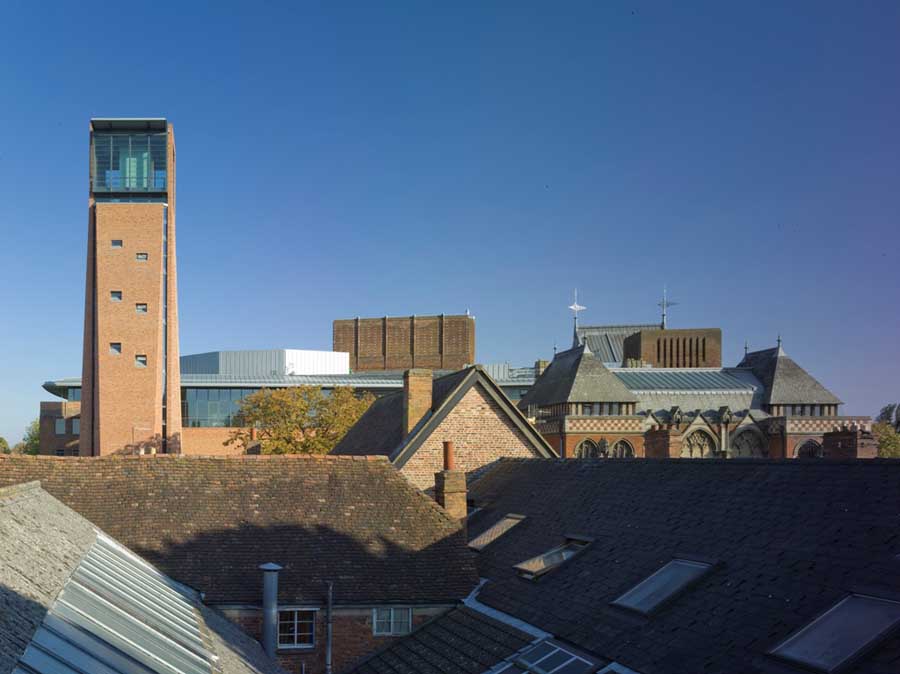
Information on speed dating events in Stratford-upon-Avon and Warwickshire, aimed at single men and women across Herefordshire and the wider region. The page also serves as an introduction agency listing and points to free join options, photos, chat rooms, interest groups, and private webmail.
Locations covered include Stratford-upon-Avon itself as well as nearby towns such as Coventry, with references extending across Warwickshire.
New Jersey Singles & Professional Matchmaking

An overview of professional matchmaking services in New Jersey, highlighting personalized coaching and over 25 years of dating experience. The article describes how a matchmaker works to understand a client's relationship goals, gathers preferences on age range, height range, smoking status, financial security, and personality traits, then brings two people together with continued feedback.
Using a projector for presentations and office work
Projectors are no longer confined to home theatres and school halls. Across Australian offices, a growing share of professionals are repurposing their living room or rumpus room projector for client pitches, Monday morning stand-ups and hybrid video calls. The same machine that streamed a footy match on Sunday evening can carry a quarterly sales deck by Tuesday morning.
The shift makes practical sense. Renting a meeting room projector in Sydney or Melbourne CBD can cost a small business several hundred dollars a day, and team members in regional hubs like Cairns or Hobart often lack access to corporate AV equipment. A versatile projector tucked behind a bookshelf gives remote workers in Brisbane or Perth a familiar, dependable display that travels with them or sets up permanently in a spare room.
Repurposing gear does mean a slightly different mindset. Where cinema use is forgiving of low brightness and chaotic cable runs, work use insists on crisp text, accurate colour and reliable signal switching. Cabling, audio routing and ambient light all shift their priorities when the projector is expected to render spreadsheets rather than subtitles. A few deliberate tweaks transform a leisure device into a credible workplace tool.
This walkthrough covers the steps most Australian professionals need to take, from choosing display modes to handling the inevitable cable tangle. It assumes the projector already exists in your home or office and focuses on the configuration choices that matter when the same unit has to perform double duty on a weekday morning and a Friday night movie session.
Matching your projector to the work you do
The first decision is whether the model you already own is up to the task. Brightness, measured in lumens, governs how well the image survives daylight pouring through floor-to-ceiling windows, which is a real consideration in Australian terrace houses, glass-walled boardrooms and any space bathed in afternoon sun. Anything below 2,500 ANSI lumens will look washed out in a sun-lit Sydney terrace, but most modern units sit well above that figure.
Resolution matters more for word-heavy decks than for cinema. A 1080p projector handles most slide presentations gracefully, while a 4K model keeps small spreadsheets legible from the back of a medium-sized meeting room. If your work involves detailed financial modelling, design mock-ups or CAD drawings, stepping up to a higher-resolution unit pays for itself the first time you stop squinting at a slide. A short-throw projector is worth considering for smaller home offices in inner-Brisbane apartments where every metre of throw distance is contested by furniture and door swings.
Think about connectivity too. Offices in Australia now expect wireless casting from a Mac, iPhone or Windows laptop with AirPlay, Miracast or Chromecast on board. Older projectors with only HDMI inputs still do the job but require a dongle or adapter for every guest presenter. Weigh the cost of those accessories against the price difference between an older and newer unit; a $200 premium for built-in wireless often saves countless minutes of fiddling each month.
Wiring up sources, adapters and cable runs
Most business setups use a mix of HDMI, USB-C and the occasional legacy VGA adapter. Run a single high-quality HDMI 2.0 cable from the projector to a wall plate or floor box, then connect laptops and streaming devices at that plate. Keeping the cable run short and fixed reduces the wear that comes from constantly plugging and unplugging, particularly when team members drop in with their own machines.
Cable management is more than an aesthetic concern in Australian summer, when the mercury in Adelaide or Perth regularly pushes past 38 degrees. Loose cabling can trap heat against skirting boards and create tripping hazards in open-plan offices. Velcro straps, cable raceways and a small surge-protected powerboard tidy the installation and make it easier to swap devices when the projector transitions back to weekend cinema duty.
Wireless presentation systems like Barco ClickShare or Microsoft Wireless Display Adapter remove most cable pain. They cost more upfront but pay off when colleagues from Adelaide, Darwin or a regional branch want to present without drivers or software. Keep at least one HDMI cable and one USB-C adapter in the room as a fallback, because wireless systems always fail at the worst possible moment.
Optimising image quality for slides and video calls
Once everything is connected, the projector needs to be tuned for the work. Cinema modes tend to oversaturate colours and crush blacks, which looks cinematic but renders financial charts unreadable. Switch to a dedicated presentation, sRGB or office mode, then adjust brightness and contrast to suit the lighting in the room rather than the lighting the manufacturer assumed during calibration.
Colour temperature is another quiet lever. The cooler temperature many projectors ship with can make PowerPoint slides look sterile, while a warmer setting tends to flatter skin tones during video calls. Run a test call with a colleague in another state to confirm that the picture looks natural from both ends, and double-check the output on a different screen in case the recipient's monitor misrepresents the colour. If you regularly meet with international contacts in Baku and other distant hubs, the same test helps you judge how readable your slides remain when bandwidth drops mid-meeting.
Daylight saving across Australia's eastern states adds a twist. During AEDT, a four o'clock meeting in Melbourne might face flooding late-afternoon sun, while the same meeting in July occurs in deep dusk. Keep a small adjustment routine in mind: bump brightness up for daylight sessions and bring it down for evening calls. Speakers pitching overseas to contacts across far-flung time zones can rely on this flexibility to keep documents legible during long video catch-ups.
Handling audio for calls and presentations
Audio is where projectors fall short, and where most home units need a little extra help. Built-in speakers on most projectors handle a quiet lounge room adequately but struggle to fill anything larger than a six-metre room, especially with the air-conditioning running in summer. A modest soundbar or a pair of powered bookshelf speakers delivers clearer dialogue for video calls and richer impact for any video segments embedded in a presentation.
Microphone setup matters just as much. A webcam microphone on a laptop will pick up room echo from bare Australian plaster walls and tiles, which produces a hollow sound that frustrates listeners. A small boundary microphone placed on the meeting table, or a lapel mic worn by the presenter, cleans up the audio dramatically. Consider whether your remote colleagues are straining to hear through compression artefacts before blaming your headset.
For setups where the projector doubles as a home theatre on weekends, subwoofer placement shapes both the movie experience and the working audio more than most people realise. The right starting point is a practical walkthrough of optimising subwoofer placement, which covers room modes, corner loading and how walls carry bass from one room to the next. Once the sub is dialled in, both blockbuster films and Microsoft Teams calls benefit from a more even low-end response.
Troubleshooting common issues during business hours
Even a well-set-up projector throws the occasional tantrum. The most common complaint in Australian offices is a flickering image when the projector lamp warms up. This is usually a failing bulb or a loose HDMI connector, and replacing either restores the picture in minutes. Keep a spare HDMI cable and a spare bulb in the supply cupboard if the projector sees daily use.
Wireless dropouts happen regularly, particularly when the office Wi-Fi is shared across dozens of devices. Connecting the casting dongle to the 5GHz band rather than 2.4GHz usually solves this, and many modern projectors expose a guest network option that sidesteps corporate firewalls. When all else fails, the wired HDMI fallback covers any meeting.
Image alignment drifts after months of use, especially if the projector is mounted on a shelf that vibrates when footsteps cross a timber floor. Use the keystone correction and lens shift controls sparingly, and schedule a realignment every quarter. Colour drift, where blues slowly take on a green tint, points to a panel ageing and is a signal to budget for a replacement within twelve months.
Reliability during a live pitch matters more than any single setting. Test every input the day before an important client meeting, keep the remote control somewhere predictable, and label the cables so a colleague can rescue the situation if you are running late. A few minutes of preparation saves hours of embarrassment when the projector decides to update its firmware at the worst possible moment.
Projector modes that suit workplace tasks
| Mode | Best for | Strengths | Trade-offs |
|---|---|---|---|
| Presentation or Office | Slides, video calls | High brightness, accurate text, balanced colour | Less cinematic depth |
| sRGB or Standard | Spreadsheets, design review | Neutral colour, faithful rendering | Lower contrast, dimmer on dark slides |
| Cinema or Movie | Video playback, product reels | Rich blacks, saturated colour | Crushes detail in dark slides |
| Bright or Daylight | Lit rooms during daytime | Maximum lumens, fights ambient light | Washed-out whites, harsh skin tones |
| Custom or User-calibrated | Frequent multi-purpose use | Tuned to room and content | Requires time and a colourimeter |
Practical recommendations for projector-based work setups
- Choose a projector with at least 2,500 ANSI lumens if meetings happen in sun-lit rooms, which is the default in most Australian terrace houses and east-facing offices.
- Run a fixed HDMI cable to a wall plate and keep a USB-C adapter handy for laptops that lack a full-size HDMI output.
- Switch the picture mode away from cinema before any client-facing deck; presentation or sRGB modes render charts and text correctly the first time.
- Add a small powered speaker or soundbar to lift the audio above air-conditioning noise, particularly during long video calls with interstate colleagues.
- Keep a spare HDMI cable and a backup casting dongle in the room, because wireless presentation systems always fail at the worst possible minute.
- Schedule a quarterly image and alignment check, especially for shelf-mounted projectors in homes with timber floors that shift seasonally.
- Save a "work" preset on the projector if the menu allows it, so weekend cinema mode and weekday presentation mode are a single button-press apart.
Legitimate Cougar Dating Sites

A guide to finding legitimate cougar dating sites, avoiding scams, and getting good results on platforms such as CougarDate.com, Cougar Life, and Adult FriendFinder. The article lists seven cougar dating sites, examines whether CougarDate.com is a scam, and includes a separate list of free dating and hookup sites.
Olympic Ice Skating Pairs and Romances

An article discussing prominent figure skating romances, marriages, and couples among Olympic ice skating pairs. It profiles eight Olympic ice skating pairs who are couples in real life and explains the required elements of pair skating, including lifts, twist lifts, throw jumps, jumps, and spins.
Expat Dating in Baku

A guide for expatriates looking to date in Baku, Azerbaijan. Topics include social life for expats, safety and comfort in areas like Downtown Baku, the visa process, getting around by mass transit, and monthly events for expatriates. The piece also references Baku hotels and places to stay.
Reformed Matchmaking and Jewish Dating

Content related to Reformed matchmaking, JRetroMatch, and Jewish matchmaking services within the context of religious observance. The article discusses Reform Judaism, the spectrum of positions on halakhic observance, and looks at how matchmaking functions within observant communities.
Age Gap Dating Advice

A discussion on age preferences in dating, referencing research guidelines and personal experiences with age-gap relationships. The piece references Psychology Today and examines whether one well-known age guideline may not work for everyone, along with personal anecdotes from readers.