Steve Platt collects articles and notes on online dating services, professional matchmaking, speed dating events, and relationship advice for a range of locations and demographics.
"If you want a more personal approach to finding matches than online dating provides, consider enlisting the help of a professional matchmaker."
The site covers speed dating events in Stratford-upon-Avon and Warwickshire, New Jersey singles and professional matchmaking with over 25 years of dating experience, the costs of online dating services including eharmony and Badoo, a guide to legitimate cougar dating sites and avoiding scams, an article on Olympic ice skating pairs and figure skating romances, and a guide for expat dating in Baku, Azerbaijan.
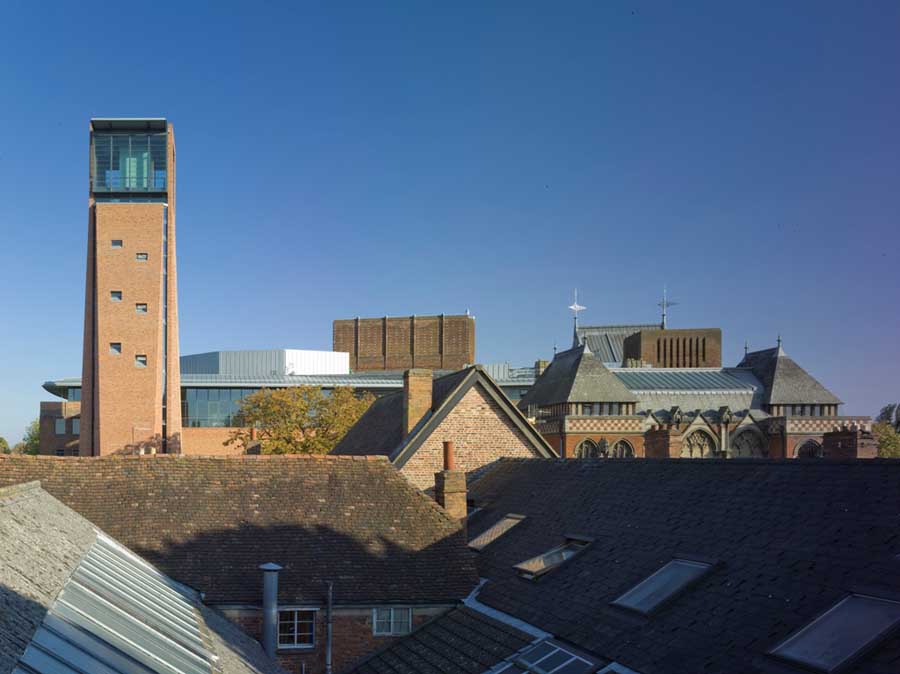
Speed Dating in Stratford-upon-Avon
Information on speed dating events in Stratford-upon-Avon and Warwickshire, aimed at single men and women across Herefordshire and the wider region. The page also serves as an introduction agency listing and points to free join options, photos, chat rooms, interest groups, and private webmail.
Locations covered include Stratford-upon-Avon itself as well as nearby towns such as Coventry, with references extending across Warwickshire.
New Jersey Singles & Professional Matchmaking

An overview of professional matchmaking services in New Jersey, highlighting personalized coaching and over 25 years of dating experience. The article describes how a matchmaker works to understand a client's relationship goals, gathers preferences on age range, height range, smoking status, financial security, and personality traits, then brings two people together with continued feedback.
How to use a projector for live sports watching parties
A projected match can turn an ordinary lounge into a shared event. For Australian viewers, an NRL or AFL game, summer Test cricket, football or motorsport works best when friends react to the same moment. A large image makes tactical shape, offside decisions and ball tracking easier to follow than a television viewed from across the room. Learn more about How To Convert Analog Speaker Wire To Digital Signals 296969.
Picture quality is only half the experience. Clear dialogue, balanced surround sound and low video delay determine whether the projector feels like a sports venue or an awkward public viewing. The equipment also needs to handle Australian summer daylight, variable home Wi-Fi and the practical realities of entertaining outdoors.
A reliable setup follows the same path every time: choose the feed, connect it to the receiver, send video to the projector, connect the speakers and test the complete chain before guests arrive. Planning those steps in advance prevents unnecessary menu changes or cable rewiring when the match is about to begin.
Plan the room and signal path
Start with the room rather than the projector specification. For a 16:9 sports picture, a roughly 100-to-120-inch image suits many Australian family rooms, although the usable throw distance is decisive. Measure the screen area, sofa position and cable route; a larger image that forces the front row to crane their necks is less enjoyable than a smaller one with clear sightlines.
The cleanest signal path runs from the source to the home theatre receiver and then to the projector, while the receiver feeds the television and speakers. A satellite receiver, Fetch device, Foxtel box, Kayo device or streaming player is the video source. Connect the source to a receiver HDMI input, then connect the receiver’s HDMI output, usually labelled Main, to the projector. The dish itself supplies coax to its receiver rather than sending a picture directly to the projector.
Daylight and projector placement need attention together. Sydney and Melbourne summers can remain bright well into the evening, especially for afternoon cricket, so blackout curtains or an ambient-light-rejecting screen may be more valuable than extra projector brightness. Leave ventilation space around the unit and position it so late-arriving guests do not walk through its light or block its remote sensor.
Choose the sports feed and connect the receiver
Australian viewers have several local television options, but channel rights and subscription details change with the season. Foxtel Now commonly carries football, rugby and selected motorsport coverage, Fetch carries selected broadcast channels, and Kayo offers cricket and other live sport options. Check the specific fixture, territorial restrictions and blackout rules before inviting people over, then test the subscription on the actual streaming device.
Connect the chosen source to the receiver and label both the input and output. If the receiver has several HDMI inputs, assign the sports device to a dedicated input rather than changing sources each match. The receiver should output its processed picture to the projector, while its analogue or digital speaker outputs handle the audio. If there is no home theatre receiver, a direct HDMI connection can carry video to the projector, with a separate optical or HDMI audio path to a soundbar or amplifier.
The whole chain must support the format being streamed. A 4K source still produces an acceptable 1080p picture, but it will not become a true 4K image through a 1080p cable or projector. Similarly, 50Hz Australian broadcast video should be supported through the source, receiver and projector. HDMI-CEC can simplify power and source control, although it may also create unwanted switching, so enable it only after each device has passed a normal test.
Set the projector for fast motion
Position the projector square to the viewing area whenever possible. Use physical lens shift and keystone correction sparingly because digital geometry can reduce brightness and introduce processing. A fixed 16:9 screen gives sports a familiar shape and avoids black bars, while a retractable screen or a clear wall provides flexibility in a garage, media room or alfresco entertaining area.
Game or sports mode normally lowers image delay, which matters when a football kick or cricket bowler appears to move before the crowd. Brightness and contrast should suit the room rather than the showroom, and excessive motion smoothing should be disabled because it can make fast players look artificial. Sharpness controls should also be set conservatively, since boosted edges tend to crawl during pans.
Brand menus vary, so projector setup guidance can help when translating terms such as aspect ratio, keystone and HDR. For most live sport, a well-calibrated SDR picture at 50Hz or 60Hz is a safe choice. HDR can improve highlights, but it only works when the source, receiver, cable and projector all support the same format, and a dim room remains essential for a convincing result.
Build the surround sound system
The receiver is the centre of the audio setup. It decodes the available channels, applies the chosen listening mode and sends the correct signal to each speaker. Australian sports broadcasts may provide stereo, 5.1 or a more advanced object-based mix depending on the channel and streaming package. Configure the speaker layout to match the actual equipment instead of selecting a surround mode that sends dialogue to a rear speaker.
A 5.1 arrangement uses front left and right speakers, a centre speaker, two surround speakers and a subwoofer. A 7.1 system adds rear speakers behind the main seating area, while height speakers can be useful for compatible Dolby or DTS content. The centre channel carries much of the commentary, so it should sit below the screen or near it. Keep the front speakers roughly level with the listeners’ ears and aim them towards the seating area.
Use the receiver’s test tones or a familiar broadcast to set channel balance, subwoofer level and speaker delay. Commentary should remain clear without forcing everyone to raise the volume, while the subwoofer needs enough separation to add impact without making nearby houses experience every tackle. Turn the projector’s internal speakers down or off if it has them; leaving them active can create an echo that makes dialogue harder to understand.
Wire and place the speakers
Use speaker cable rated for the receiver’s impedance and the cable length, and observe polarity on both ends. Banana plugs or moulded connectors provide more reliable contact than loose bare wire twisted into a spring clip. Check the receiver manual for its minimum speaker impedance, particularly when several speakers share one channel. Label each cable at the amplifier and speaker so a later connection error can be corrected without guessing.
Where an old installation leaves analogue speaker cable behind, the distinctions in [analog speaker-wire conversion guide](https://analog speaker-wire-conversion-guide.example) are important: ordinary speaker cable is not a general-purpose HDMI or optical connection. Replace unsuitable cable or use the correct converter rather than forcing incompatible signals into a wall plate. New active speakers may also need their own power supply and balanced inputs, depending on the model.
Place the subwoofer near a wall or corner for stronger low-frequency output, then adjust its level and delay rather than moving it repeatedly. Run cables along skirting boards or under mats, avoiding exposed loops across doorways. Tie excess length loosely, label both ends and keep signal cables separate from mains wiring where practical. For permanent outdoor or garage installations, use an accredited electrician and equipment suitable for Australian 230V supply and damp conditions.
Prepare the room and party checklist
Complete an equipment test with the same source, receiver settings and television arrangement that will be used on match day. This prevents a forgotten password, outdated receiver or missing adapter from becoming the focus of the gathering.
Before guests arrive:
- Confirm that the Foxtel Now, Fetch, Kayo or satellite subscription is active and the chosen event is available.
- Check the projector, receiver, source device, speakers and remote controls for correct power-up.
- Keep suitable HDMI cables, optical cables, adapters and speaker terminations within reach.
- Test the internet connection, preferably with the streaming device connected by Ethernet where available.
- Fit a surge-protected power board and ensure cables cannot be pinched by furniture.
Australian viewing plans also need local timing and household rules. Put the city and local start time in invitations because Sydney, Melbourne, Brisbane, Adelaide and Perth use different time zones. Apartment occupants should check strata by-laws and local noise controls, while anyone hosting a ticketed or licensed event must follow the relevant state liquor licensing and responsible-service requirements. Keep drinks on tables away from power boards and remove trip hazards from the seating area.
Before opening the doors:
- Position seats so nobody blocks the projector, screen or doorway.
- Close curtains or blinds and check that the room is not reflecting excessive sunlight.
- Place a drinks mat, bin and food covers where they will not obstruct cables.
- Give guests a simple source-changing instruction if the main television also carries sports.
- Keep a normal conversation possible by arranging speakers for clear dialogue rather than excessive volume.
Test the chain and solve common faults
Run a dress rehearsal several hours before kick-off. Switch on each device, select the intended receiver input, play live sport, adjust the volume and confirm that the picture and sound remain synchronised. Test more than one source if guests may change channels. Make sure everyone can reach the essential controls and that streaming applications do not require a new activation code while people are watching.
A missing picture is often a handshake or routing issue. Confirm that the source is on the correct receiver input, the receiver’s output is assigned to the selected projector input and the projector has chosen that source. Try a known-good cable, update the receiver and streaming device, and power the units up in a consistent order. Additional background on receiver, display and speaker behaviour is available in home theatre reference notes when comparing symptoms. A persistent HDCP warning can require compatible equipment, while buffering points towards the network or streaming service.
Picture and sound problems have separate causes. A delayed commentary track can be corrected with the receiver’s audio delay, whereas visible delay requires low-latency projector settings. A dim or discoloured image may need a fresh source comparison, corrected input settings or better ambient-light control. Projector noise and shutdowns commonly indicate blocked vents, an overly warm garage or a failing fan. For satellite reception faults, check the receiver connections first and use an accredited installer for dish alignment rather than attempting roof or mast adjustments. A full dress rehearsal leaves the match-day setup predictable: the correct feed appears, dialogue stays centred, every guest has a usable seat, and the surround mix follows the action without delay.
Legitimate Cougar Dating Sites
A guide to finding legitimate cougar dating sites, avoiding scams, and getting good results on platforms such as CougarDate.com, Cougar Life, and Adult FriendFinder. The article lists seven cougar dating sites, examines whether CougarDate.com is a scam, and includes a separate list of free dating and hookup sites.
Olympic Ice Skating Pairs and Romances

An article discussing prominent figure skating romances, marriages, and couples among Olympic ice skating pairs. It profiles eight Olympic ice skating pairs who are couples in real life and explains the required elements of pair skating, including lifts, twist lifts, throw jumps, jumps, and spins.
Expat Dating in Baku

A guide for expatriates looking to date in Baku, Azerbaijan. Topics include social life for expats, safety and comfort in areas like Downtown Baku, the visa process, getting around by mass transit, and monthly events for expatriates. The piece also references Baku hotels and places to stay.
Reformed Matchmaking and Jewish Dating
Content related to Reformed matchmaking, JRetroMatch, and Jewish matchmaking services within the context of religious observance. The article discusses Reform Judaism, the spectrum of positions on halakhic observance, and looks at how matchmaking functions within observant communities.
Age Gap Dating Advice

A discussion on age preferences in dating, referencing research guidelines and personal experiences with age-gap relationships. The piece references Psychology Today and examines whether one well-known age guideline may not work for everyone, along with personal anecdotes from readers.