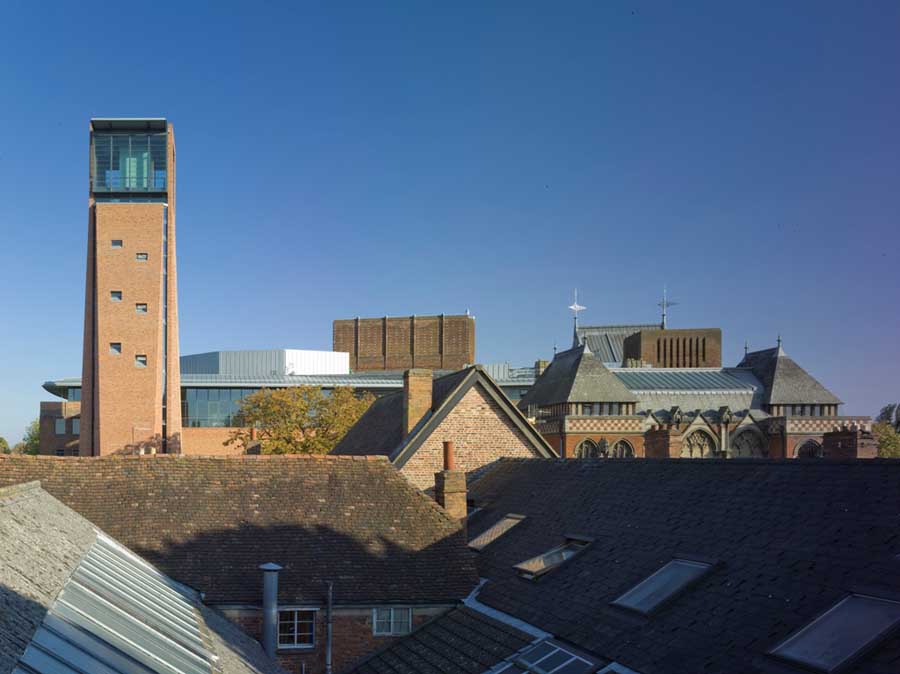
Steve Platt collects articles and notes on online dating services, professional matchmaking, speed dating events, and relationship advice for a range of locations and demographics.
"If you want a more personal approach to finding matches than online dating provides, consider enlisting the help of a professional matchmaker."
The site covers speed dating events in Stratford-upon-Avon and Warwickshire, New Jersey singles and professional matchmaking with over 25 years of dating experience, the costs of online dating services including eharmony and Badoo, a guide to legitimate cougar dating sites and avoiding scams, an article on Olympic ice skating pairs and figure skating romances, and a guide for expat dating in Baku, Azerbaijan.
Speed Dating in Stratford-upon-Avon
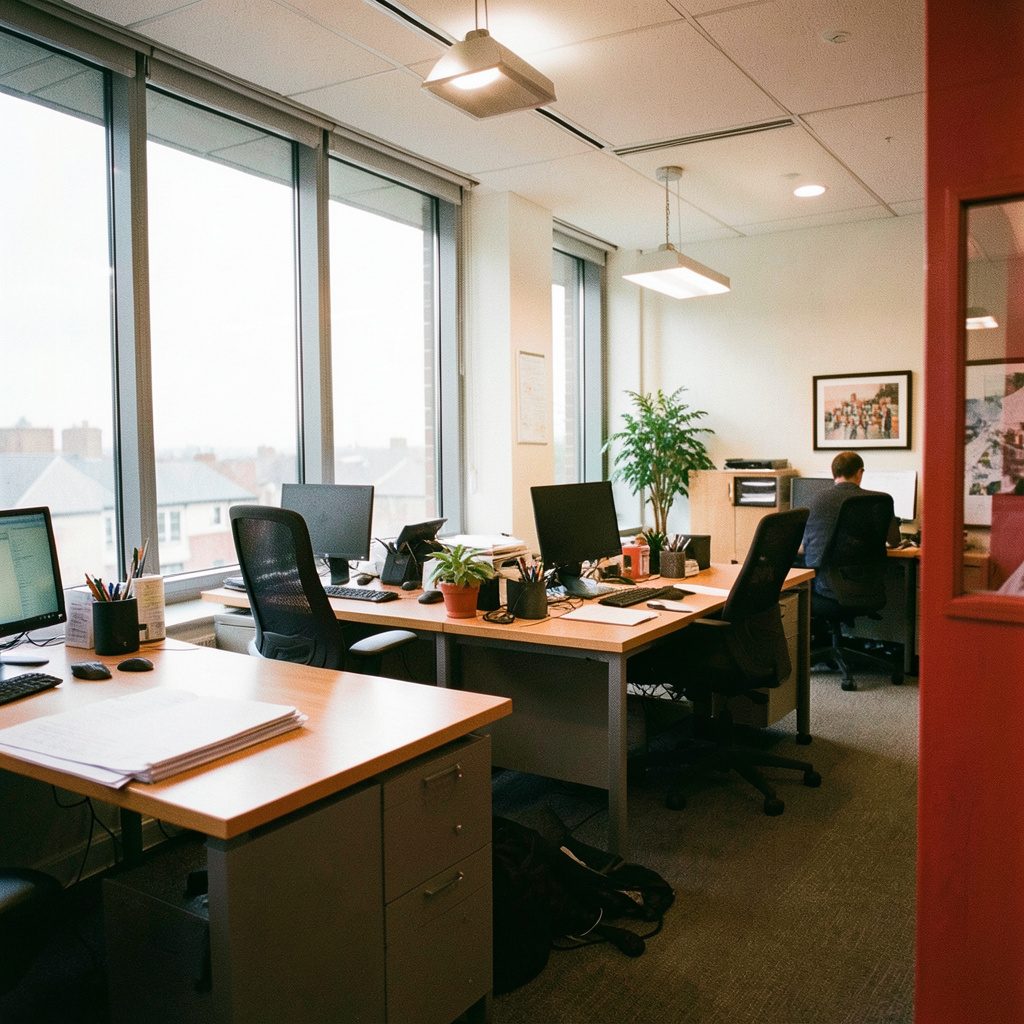
Information on speed dating events in Stratford-upon-Avon and Warwickshire, aimed at single men and women across Herefordshire and the wider region. The page also serves as an introduction agency listing and points to free join options, photos, chat rooms, interest groups, and private webmail.
Locations covered include Stratford-upon-Avon itself as well as nearby towns such as Coventry, with references extending across Warwickshire.
New Jersey Singles & Professional Matchmaking

An overview of professional matchmaking services in New Jersey, highlighting personalized coaching and over 25 years of dating experience. The article describes how a matchmaker works to understand a client's relationship goals, gathers preferences on age range, height range, smoking status, financial security, and personality traits, then brings two people together with continued feedback.
Cool a projector that overheats too quickly
Troubleshooting a projector that overheats quickly starts with separating an airflow restriction from a fan, sensor or electrical fault. Record what happens: whether the picture dims, the fan becomes loud, a thermal message appears, or the unit shuts down after a fixed period. Test it on a cold start with the receiver, set-top box and game console disconnected, then repeat with each device connected. That sequence reveals whether the projector is simply being asked to run too hot in a crowded media cabinet.
Australian conditions add useful clues. A room in Sydney, Melbourne or Brisbane can remain uncomfortable late at night, particularly when air conditioning has already switched off, while bushfire smoke and fine dust can collect in the same intake paths used by ceiling fans. Australian home-entertainment setups often combine a Foxtel or satellite receiver, an AV receiver and a projector in a compact cabinet, so several heat sources may share limited space. Check the projector against its specified operating temperature, and treat repeated shutdowns during a hot night as a heat problem until evidence points elsewhere.
Identify whether the heat is local or system-wide
A heat pattern is more useful than a guess. Compare the air temperature at the intake and exhaust after five minutes with room temperature and the manufacturer’s clearance requirements, but never insert fingers near a fan or grille. A cool intake and very hot exhaust can be normal under load. A warm intake beside the projector, especially with the exhaust aimed back toward it, points to recirculation. A loud fan with little airflow suggests a failed fan, while a clean unit that trips only after warming may involve a temperature sensor or internal control fault.
Keep the receiver and source boxes in the diagnostic. An AV amplifier can run warm during loud passages, and a satellite receiver may add another fan or power supply close to the projector. Switch each source on separately and watch whether the projector temperature warning appears at the same point. A direct source test is not the final solution, but it prevents a costly projector replacement when the real issue is stacked equipment. Leave the required clearance between hot-device exhausts and the projector intake.
If a satellite dish was installed or repositioned recently, the satellite dish mounting guide is useful for checking the outdoor cable route and fixing hardware. Keep that inspection separate from cleaning the projector: a loose dish feed is not itself a heat source, but pinched or sharply bent cabling can tug at the projector or obstruct a nearby receiver’s exhaust. Label the feed and HDMI runs at both ends, then make sure none cross a vent or sit beneath a heavy component that presses the chassis down.
Restore airflow before touching internal parts
Give the projector a cool, open route for air. A closed timber cupboard with a projector facing through its front door may look tidy but can trap heat; a ventilated shelf or cabinet with open rear space is safer. Australian homes often have wall-mounted televisions, tiled roofs and accessible ceiling voids, so a projector can be installed in a shallow media unit rather than on an open stand. Avoid closing the doors during a long film, and do not route the power board, receiver or cable bundle into the same small compartment.
Before cleaning, switch off and unplug the projector at the wall, then allow it to cool fully. Remove the filter only as the manual directs. Vacuum loose dust from a removable filter with a soft brush on low suction, and gently clear intake and exhaust grilles. Do not wash filters unless their instructions permit it, spray cleaner into the chassis or use compressed air that forces dust deeper into the unit. Do not open a laser or lamp chassis yourself because internal components can remain hazardous even after disconnection.
Wireless speakers can tidy the room, but they do not remove the heat generated by an AV receiver. A Bluetooth receiver connection guide explains how such speakers connect to equipment without Bluetooth, which is useful when the real problem is where that receiver is positioned. Put the amplifier on a ventilated shelf, enable automatic standby when appropriate and keep its exhaust clear. If using a soundbar, check whether the projector’s audio output or HDMI return is forcing the soundbar to stay awake unnecessarily.
Reduce the internal heat load safely
Reduce demand on the light source before replacing anything. Choose the projector’s Eco or standard-lamp mode, lower brightness to a level that suits the screen, and use a properly sized matte or high-gain surface rather than compensating with maximum output. A laser projector can still run hot because its cooling system manages the light engine as well as the electronics. For a dark Australian home theatre, a neutral screen and restrained brightness often need less cooling than a brighter setting chosen for daylight.
Use the native resolution and refresh rate supported by the projector unless a specific setting has been identified as problematic. Avoid leaving high-intensity dynamic modes active for long periods when they provide little visible benefit. Automatic iris, colour and noise controls can improve the picture without increasing lamp power, but extreme calibration presets sometimes keep the light source brighter than necessary. Save one known-good picture profile and compare it with the profile used when overheating occurs.
Check the projector’s event log, diagnostic menu and firmware status on the manufacturer’s support site. A genuine thermal-sensor error should be distinguished from a fan warning, an over-temperature message and a generic shutdown code. Update firmware only after recording the current version, and follow the supplied procedure rather than interrupting power during an update. If the fan is silent, weak, rattling or stops with the unit under load, external cleaning will not fix it; the fan assembly or internal thermal control needs authorised service.
Test cables, power and the surrounding environment
Treat cables as airflow obstacles and diagnostic markers, not as the likely source of heat. A normal HDMI or optical lead does not make a projector overheat, but tightly packed plugs can restrict a grille or prevent a rear panel from sitting at its intended distance. Bundle only the video and audio leads that need to move together, keep power adapters uncovered, and use gentle cable ties. Reseating a connector is worthwhile if the image drops or the shutdown timing changes, since a marginal signal can trigger repeated source detection.
Check the power arrangement carefully in Australia, where household supply is nominally 230 volts and circuits are commonly protected at 10 or 16 amperes. Use the manufacturer’s supplied power lead or an appropriately rated lead, and choose a reputable surge-protected power board with plenty of ventilation. Do not daisy-chain power boards or connect the projector to a heavily loaded extension. In Australia, fixed wiring and alterations must be handled by a licensed electrician under the rules applying in that state, and any RCD protection provided at the outlet should be tested as part of the installation.
Portable and outdoor setups add weather and humidity variables. A guide to Scottish loch itineraries shows how quickly conditions can change in remote outdoor locations, so the same kind of trip needs sheltered power, dry cable paths and ventilation that will not be blocked by a tent wall. In Australia, bushfire smoke can infiltrate a media cabinet during severe Melbourne or Sydney events. Switch off and disconnect a smoky projector, avoid repeatedly power-cycling it and have it inspected before reuse. Condensation presents the opposite risk, so let cold equipment acclimatise in its case before connecting power.
A practical diagnosis and maintenance checklist
Match the pattern to the most likely fault before opening anything. Record the shutdown time, room temperature, selected mode and connected devices; that short history makes both DIY checks and service notes more useful.
| Symptom | Likely cause | Useful check | Practical response |
|---|---|---|---|
| Shuts down after 10–20 minutes; exhaust is very hot | Recirculation or blocked grille | Compare inlet and outlet temperatures | Clear space and clean the vents |
| Fan is loud, rattling or produces weak airflow | Worn fan or obstruction | Listen with connected sources switched off | Clean externally; arrange service if unchanged |
| Warning appears while cold or shutdowns are random | Sensor or firmware fault | Read the event log and check firmware | Reset or seek authorised repair |
| Picture dims only when the receiver is on | Shared cabinet heat | Operate the projector alone | Separate and ventilate the devices |
| Problems begin after smoke, damp or impact | Contamination or internal damage | Inspect without repeated power cycles | Stop testing and arrange service |
Work from the least invasive checks to the most serious. Cleaning, clearance and picture-mode changes can be completed with the projector unplugged, while internal work should be left to an authorised technician.
- Record the ambient temperature, operating mode and time taken before each shutdown.
- Keep the intake and exhaust unobstructed, following the projector’s specified clearance distances.
- Clean removable filters and accessible grilles on the schedule recommended by the manufacturer.
- Use Eco mode and a practical brightness level rather than compensating with excessive output.
- Test the projector independently from the receiver, set-top box and other heat-producing equipment.
If the unit still overheats after these checks, stop repeated power cycles and arrange authorised service, particularly when a fan fault, sensor error, smoke exposure or internal damage is suspected.
Legitimate Cougar Dating Sites
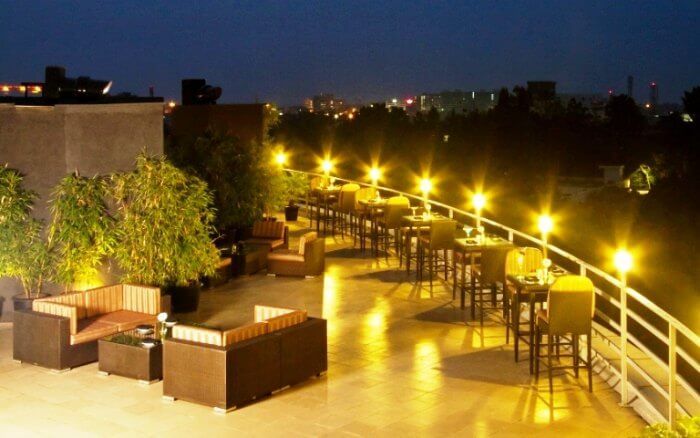
A guide to finding legitimate cougar dating sites, avoiding scams, and getting good results on platforms such as CougarDate.com, Cougar Life, and Adult FriendFinder. The article lists seven cougar dating sites, examines whether CougarDate.com is a scam, and includes a separate list of free dating and hookup sites.
Olympic Ice Skating Pairs and Romances

An article discussing prominent figure skating romances, marriages, and couples among Olympic ice skating pairs. It profiles eight Olympic ice skating pairs who are couples in real life and explains the required elements of pair skating, including lifts, twist lifts, throw jumps, jumps, and spins.
Expat Dating in Baku

A guide for expatriates looking to date in Baku, Azerbaijan. Topics include social life for expats, safety and comfort in areas like Downtown Baku, the visa process, getting around by mass transit, and monthly events for expatriates. The piece also references Baku hotels and places to stay.
Reformed Matchmaking and Jewish Dating

Content related to Reformed matchmaking, JRetroMatch, and Jewish matchmaking services within the context of religious observance. The article discusses Reform Judaism, the spectrum of positions on halakhic observance, and looks at how matchmaking functions within observant communities.
Age Gap Dating Advice

A discussion on age preferences in dating, referencing research guidelines and personal experiences with age-gap relationships. The piece references Psychology Today and examines whether one well-known age guideline may not work for everyone, along with personal anecdotes from readers.