
Steve Platt collects articles and notes on online dating services, professional matchmaking, speed dating events, and relationship advice for a range of locations and demographics.
"If you want a more personal approach to finding matches than online dating provides, consider enlisting the help of a professional matchmaker."
The site covers speed dating events in Stratford-upon-Avon and Warwickshire, New Jersey singles and professional matchmaking with over 25 years of dating experience, the costs of online dating services including eharmony and Badoo, a guide to legitimate cougar dating sites and avoiding scams, an article on Olympic ice skating pairs and figure skating romances, and a guide for expat dating in Baku, Azerbaijan.
Speed Dating in Stratford-upon-Avon
Information on speed dating events in Stratford-upon-Avon and Warwickshire, aimed at single men and women across Herefordshire and the wider region. The page also serves as an introduction agency listing and points to free join options, photos, chat rooms, interest groups, and private webmail.
Locations covered include Stratford-upon-Avon itself as well as nearby towns such as Coventry, with references extending across Warwickshire.
New Jersey Singles & Professional Matchmaking

An overview of professional matchmaking services in New Jersey, highlighting personalized coaching and over 25 years of dating experience. The article describes how a matchmaker works to understand a client's relationship goals, gathers preferences on age range, height range, smoking status, financial security, and personality traits, then brings two people together with continued feedback.
Home Theater Setup With a TV as the Main Monitor
Most Australian households already own the hardest-working piece of a home theater system: a flat panel sitting on a cabinet in the lounge. Turning that panel into the centre of a proper cinema-style setup takes planning rather than spending. You need the right signal chain, speakers placed where they actually work, a receiver that understands Australian broadcast services, and settings that behave sensibly when the sun hits the window at three in the afternoon.
This guide covers how to set up a home theater system with a TV as monitor, from choosing an amplifier and running speaker wire through to calibrating picture modes, aligning a satellite dish and tidying the cables afterwards. The approach suits the way Aussies actually watch: footy on Sunday, a cricket test that starts at lunch, a Foxtel movie night, and a streamed series before bed.
A few local realities shape every decision below. Australian mains voltage is 240V and new circuits need a licensed electrician. Summer daylight is fierce in Perth and Adelaide, so ambient light rules out some options. Open-plan living areas put a metre between the speakers and the sofa. And most flats and terraces rented in Melbourne, Sydney or Brisbane have a data point or two, a NBN connection and a decoder box, but no dedicated cinema room.
Planning the Room Around the Screen You Own
Start with viewing distance, because a panel that is too large for the sofa becomes uncomfortable rather than cinematic. As a rough guide, a 65-inch screen suits a seat about 2.5 to 3 metres away, a 75-inch panel works from 3 to 3.5 metres, and anything from 85 inches upward needs a dedicated wall. Open-plan lounge rooms in suburban Melbourne and Brisbane often measure deeper than people expect, so measure from the front row of the sofa, not the coffee table.
Next, test the light. Sit in your normal evening position and look at the screen while the afternoon sun rakes across the window. Bright rooms favour a good panel and a matte anti-glare filter over any projector, and they push you toward stronger bias lighting behind the screen so blacks look grey rather than milky. A cheap projector in a sunlit room will always lose to a mid-range television.
Finally, decide how the TV will do double duty. Most Australian homes use the same panel for Foxtel at six, a football game on Sunday afternoon and a film at night. That means checking for HDMI eARC, ALLM and variable refresh rate before you buy anything else, because these features decide how much the receiver can hand off to the panel's own speakers. Brands such as Hisense, TCL, Samsung and LG cover most of the budget and mid-range market here, and each handles handshake behaviour differently.
Running Speaker Wire and Picking an Amplifier
A working surround setup needs a front pair, a centre channel, at least two rear speakers and a subwoofer. Five channels is still the sensible baseline for most Australian living rooms; adding height speakers for Dolby Atmos is worthwhile only if the ceiling is high enough and the layout has space behind the front pair. Open-plan spaces with glass sliders to an alfresco area are acoustically harsh, and a sub placed in a corner of the lounge will do more good than extra channels placed badly.
Cable choice matters over distance. Use around 2.5 square millimetres for short runs and heavier cable once you pass fifteen metres or cross to another room; thin cable thins out the bass and dullens the dialogue. Any in-wall work must follow Australian wiring rules and be carried out or signed off by a licensed electrician, particularly where cable shares a wall with mains. The same applies to new power points: 240V circuits with residual current device protection are not something to improvise, and running extension leads under rugs is a common cause of hum and dropped mains noise.
On the receiver, match the number of channels to the room rather than the marketing. A slim five-channel unit with HDMI switching handles a TV as monitor setup perfectly and costs far less than a flagship model with features you will never touch. Whichever unit you choose, the manual usually explains the input and output behaviour better than the box does, and several of the trickier signal questions are summarised in signal interface research, which is worth reading before you start swapping leads.
Connecting Decoders, Streaming Boxes and Consoles
The signal chain should run from source to receiver to panel. A Foxtel set-top box, a DVB-T2 tuner or a streaming device plugs into an HDMI input on the receiver, the receiver passes picture and sound to the TV, and the receiver's HDMI output carries an audio return channel if the panel has eARC or plain ARC. This keeps the picture on the panel while the surround mix plays from your own speakers. If your television only supports older ARC, check the format compatibility list before buying a receiver, because a mismatch gives you a silent panel or a silent sound system.
Australian satellite hardware deserves its own paragraph. Foxtel and DStv dishes sit on roofs and walls in suburban areas, and because Australia sits in the southern hemisphere the satellites sit to the north, which means a clear line of sight over the northern fence or a pole mount in the side yard. Alignment apps that use the phone's compass and camera are far more reliable than guesswork, and the decoder needs a stable mains feed. Before drilling anything into a tiled roof, check strata or landlord approval, and consider whether a VAST or MAVIS subscription through a local mast might serve a regional property better.
The archive of older wiring guides on this site's home theatre blog archive remains useful for legacy equipment, particularly coax digital connections and RCA fallback wiring used with older amplifiers. For streaming, an NBN connection handles 4K HDR comfortably, and the Australian catalogues on Netflix, Disney+, Stan and Binge carry plenty of Atmos and Dolby Vision material worth playing through the full chain rather than the panel's internal speakers.
Setting Picture and Sound Modes for Local Viewing
Picture settings should be dialled in twice: once for sport and once for cinema. For a football match or a cricket session in daylight, the vivid picture mode with motion smoothing enabled is the right starting point, and a 120Hz panel makes fast ball movement look much cleaner. For films at night, switch to the cinema or filmmaker mode, turn off motion smoothing to avoid the soap opera effect, and set the panel's own brightness low so the room stays dark enough for the projector-less setup to feel cinematic. Budget and mid-range sets sold here often run at 60Hz with limited HDR peak brightness, so expectations should be realistic when matching a film to the panel's capability.
Sound needs the same dual treatment. Sports benefit from a raised centre channel and a subwoofer turned up a couple of notches, since commentary and crowd noise sit in the midrange. Films benefit from a properly set 7.1 or Atmos configuration with the receiver's night mode engaged so dialogue stays clear after ten o'clock without waking the neighbours. Set speaker distances manually in the menu even after automatic room correction runs, since the software often misjudges an open-plan space with a tiled floor.
Calibration does not require expensive kit. A phone app that reads sound pressure levels, a fixed phone position at ear height and a few test tones will get you close enough. For the audio side in more depth, the surround sound write-ups cover room correction, delay settings and subwoofer placement with practical examples rather than theory.
Cable Management, Dish Setup and Common Faults
Cable management decides whether the system looks like a home theater or a television shop. Longer HDMI runs in older Australian homes, where the AV cupboard sits in a rear room and the sofa faces a wall, need fibre or active HDMI cables, and every lead needs labelling at both ends. Floor runs should use rated trunking fixed to skirting boards, not loose cable along the walkway. Keep power and signal cables apart where they cross, and leave a little slack at each end so future servicing does not mean pulling the whole wall apart.
Most faults are mundane. A black screen with sound usually means the source switched inputs or the receiver chose the wrong HDMI port; unplug the receiver for a minute to reset the handshake. No sound at all points to an ARC or eARC mismatch, or an optical cable seated the wrong way around in a dark port. Lip sync that drifts during a long film is fixed in the receiver's menu by adding a small delay to the audio. Hum that appears only during dialogue is usually a ground loop from a shared power board, and moving the amplifier to its own outlet solves it.
One caution about this particular site: pages often carry unrelated promotional filler, including a Baku expat dating promotion, which has nothing to do with audio visual equipment and can safely be skipped. When equipment misbehaves, keep your receipt. Australian Consumer Law guarantees mean a retailer such as JB Hi-Fi, Harvey Norman or a local Kogan seller must repair or replace faulty goods, and a written record of your settings makes a warranty claim much easier.
| Setup option | Typical outlay in Australia | Light performance | Best suited to |
|---|---|---|---|
| TV with soundbar and wireless rears | $600 to $1,400 | Excellent in bright rooms | Rentals, small flats, sports-first homes |
| TV with 5.1 receiver and wired speaker pack | $1,200 to $3,000 | Very good with bias lighting | Open-plan family rooms, the mainstream choice |
| Entry-level 1080p projector with 2.1 speakers | $1,100 to $2,200 | Poor in daylight | Dedicated dark media rooms |
| Projector plus TV with an HDMI switcher | $2,000 to $4,500 | Depends on room control | Home cinema enthusiasts using both daily |
| TV as monitor with full Atmos ceiling speakers | $2,500 to $6,000 | Good, requires careful placement | Larger rooms and dedicated listening positions |
Practical Steps to Finish the Job Cleanly
- Measure the room and the sofa position before buying anything, then confirm your panel's size suits that distance.
- Run speaker cable and conduit while walls are still accessible, and keep photos of the runs with cable lengths written on them.
- Have a licensed electrician add any new 240V outlet, complete with residual current device protection, rather than relying on extensions.
- Confirm the receiver supports your panel's eARC or ARC standard, and check the Australian broadcast formats for your Foxtel or DVB-T2 box.
- Set speaker distances manually after room correction, and store a screenshot of the working settings for future resets.
- Keep a spare HDMI cable, a labelled adapter kit and the decoder's remote in the same drawer, so a Sunday afternoon match does not end in a fault-finding session.
Legitimate Cougar Dating Sites
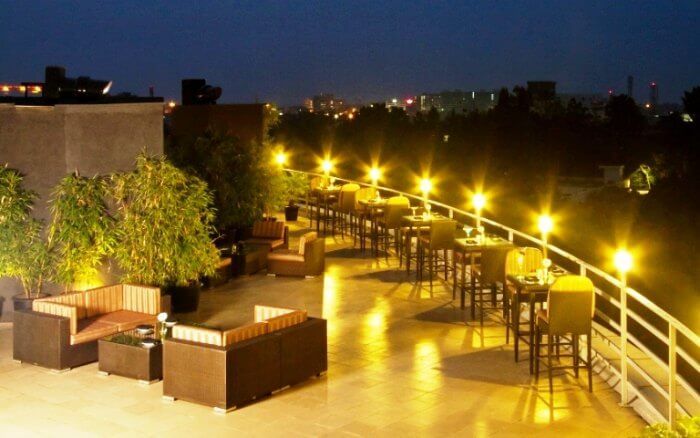
A guide to finding legitimate cougar dating sites, avoiding scams, and getting good results on platforms such as CougarDate.com, Cougar Life, and Adult FriendFinder. The article lists seven cougar dating sites, examines whether CougarDate.com is a scam, and includes a separate list of free dating and hookup sites.
Olympic Ice Skating Pairs and Romances

An article discussing prominent figure skating romances, marriages, and couples among Olympic ice skating pairs. It profiles eight Olympic ice skating pairs who are couples in real life and explains the required elements of pair skating, including lifts, twist lifts, throw jumps, jumps, and spins.
Expat Dating in Baku

A guide for expatriates looking to date in Baku, Azerbaijan. Topics include social life for expats, safety and comfort in areas like Downtown Baku, the visa process, getting around by mass transit, and monthly events for expatriates. The piece also references Baku hotels and places to stay.
Reformed Matchmaking and Jewish Dating

Content related to Reformed matchmaking, JRetroMatch, and Jewish matchmaking services within the context of religious observance. The article discusses Reform Judaism, the spectrum of positions on halakhic observance, and looks at how matchmaking functions within observant communities.
Age Gap Dating Advice

A discussion on age preferences in dating, referencing research guidelines and personal experiences with age-gap relationships. The piece references Psychology Today and examines whether one well-known age guideline may not work for everyone, along with personal anecdotes from readers.