Steve Platt collects articles and notes on online dating services, professional matchmaking, speed dating events, and relationship advice for a range of locations and demographics.
"If you want a more personal approach to finding matches than online dating provides, consider enlisting the help of a professional matchmaker."
The site covers speed dating events in Stratford-upon-Avon and Warwickshire, New Jersey singles and professional matchmaking with over 25 years of dating experience, the costs of online dating services including eharmony and Badoo, a guide to legitimate cougar dating sites and avoiding scams, an article on Olympic ice skating pairs and figure skating romances, and a guide for expat dating in Baku, Azerbaijan.
Speed Dating in Stratford-upon-Avon
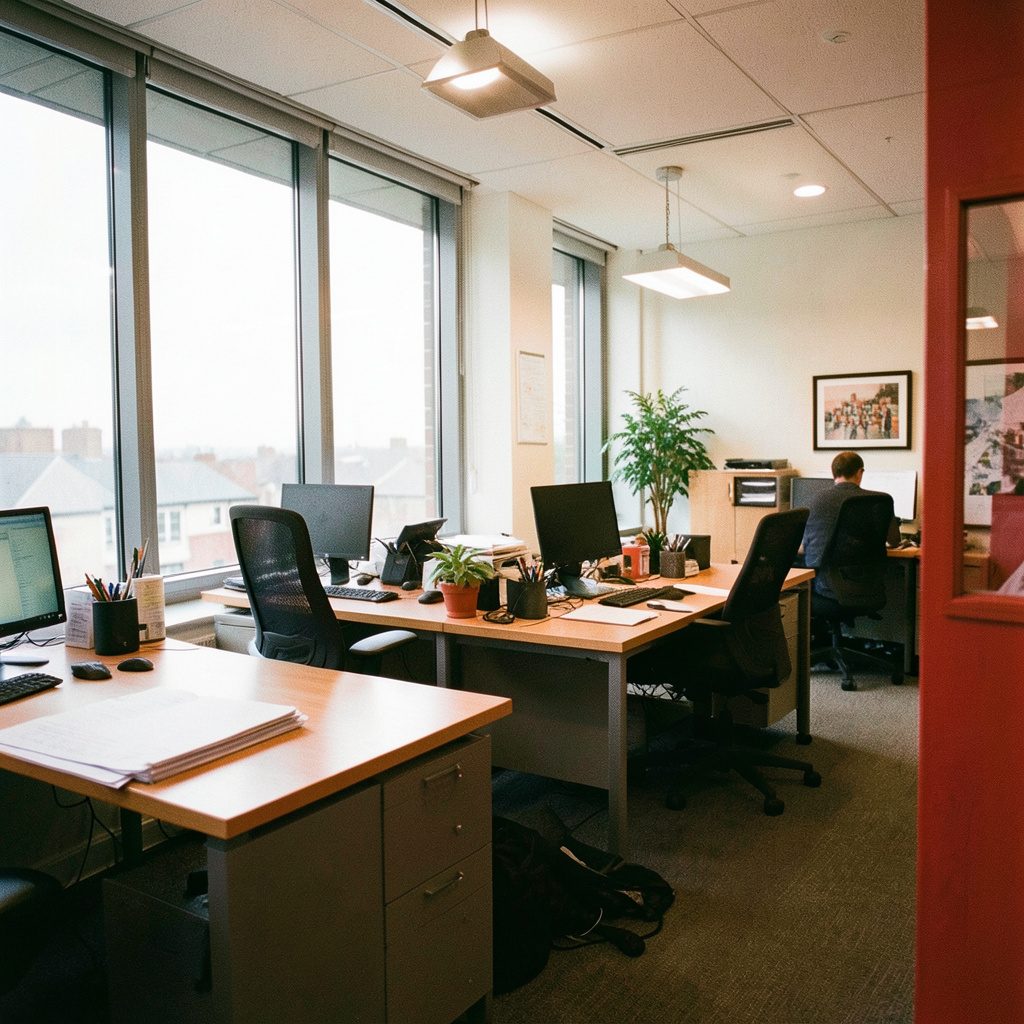
Information on speed dating events in Stratford-upon-Avon and Warwickshire, aimed at single men and women across Herefordshire and the wider region. The page also serves as an introduction agency listing and points to free join options, photos, chat rooms, interest groups, and private webmail.
Locations covered include Stratford-upon-Avon itself as well as nearby towns such as Coventry, with references extending across Warwickshire.
New Jersey Singles & Professional Matchmaking

An overview of professional matchmaking services in New Jersey, highlighting personalized coaching and over 25 years of dating experience. The article describes how a matchmaker works to understand a client's relationship goals, gathers preferences on age range, height range, smoking status, financial security, and personality traits, then brings two people together with continued feedback.
How to Select the Right Projector Brightness for Your Room
Projector brightness determines whether a film looks rich and detailed or washed out and difficult to follow. The correct choice depends on more than the lumens printed on a product box. Room size, screen dimensions, wall colour, window light, image type and viewing habits all affect the result. A compact bedroom used for evening films needs a different brightness level from an open-plan lounge in Sydney with sun entering through large windows.
Australian homes also vary widely in their viewing conditions. A darkened media room in Melbourne may work beautifully with a modest home cinema projector, while a family room in Brisbane or Perth may require extra light output because of strong daylight and pale interior finishes. Matching the projector to the room before buying will produce a more comfortable image and reduce the temptation to run the lamp or laser at maximum power.
Understand Lumens And Real-World Brightness
Projector specifications usually quote ANSI lumens, ISO lumens or a manufacturer’s own brightness figure. ANSI lumens are the most useful comparison when the measurement method is clearly stated, while vague claims such as “cinema brightness” are harder to assess. LED and laser projectors may also advertise brightness using different testing standards, so comparing numbers alone can be misleading.
For a dark room, roughly 1,000 to 1,500 ANSI lumens can be sufficient for a modest screen around 90 to 100 inches. A room with controlled lighting and a 120-inch screen may be more comfortable with 2,000 to 3,000 ANSI lumens. In a lounge where lights remain on or daylight cannot be fully blocked, 3,000 lumens or more may be appropriate. These are practical starting points rather than strict rules because screen size changes the amount of light reaching each viewer.
The projector’s image mode also affects its useful output. Bright or dynamic modes often produce more light but may introduce a green tint, harsh contrast or excessive fan noise. Cinema, Filmmaker or calibrated modes usually look more natural, though their measured brightness may be lower. Reviews from established AV specialists, such as Karl Katzke’s reference material, can help place manufacturer specifications in a broader equipment context.
Match Light Output To Screen Size And Gain
A larger screen spreads the projector’s light across more area, so brightness must rise as image size increases. A 100-inch diagonal screen is substantially easier to illuminate than a 150-inch screen, even when both are viewed in the same room. Throw distance does not directly determine brightness, but zoom position can make a difference: a projector may produce its highest output at the short-throw end of its lens range.
Screen gain describes how strongly a screen reflects light towards the audience. A 1.0-gain matte white screen gives a balanced image across a wide seating area. A screen with gain above 1.0 can make the image appear brighter from the central viewing position, but it may narrow the viewing angle and create hotspots. Grey or ambient-light-rejecting screens can improve perceived black levels and reduce reflections, although they may absorb some light and require careful alignment.
A useful planning method is to estimate screen area rather than choosing lumens in isolation. For a typical 16:9 image, a 100-inch screen has about 29 square feet of surface area, while a 120-inch screen has roughly 42 square feet. The larger screen needs around 45 per cent more light to achieve a similar brightness level. If the screen is paired with a ceiling-mounted projector and an AV receiver, leave enough brightness headroom for lamp ageing, dust and future changes to the room.
Brightness Ranges For Common Rooms
- Dark dedicated theatre with blackout curtains: about 1,000–2,000 ANSI lumens
- Evening viewing room with controlled lamps: about 1,500–2,500 ANSI lumens
- Family lounge with some daylight: about 2,500–3,500 ANSI lumens
- Bright open-plan room or daytime sports viewing: about 3,500–5,000 ANSI lumens
Account For Australian Daylight And Room Conditions
Sunlight is often the deciding factor in Australian homes. A north-facing room in Sydney or Brisbane can receive strong daylight for much of the day, while western-facing windows may create severe glare during afternoon viewing. Perth’s bright summer conditions and Adelaide’s dry, high-light climate can have a similar effect. Curtains, roller blinds and exterior shading can improve the picture more effectively than simply buying a much brighter projector.
Wall and ceiling colours also matter. White walls reflect stray light back onto the screen, lifting black levels and making the picture look flat. Darker paint, heavy curtains and a non-reflective ceiling help preserve contrast. In a typical Australian rental property, permanent changes may not be possible, so blackout curtains and careful projector placement are practical alternatives. Turning off nearby downlights is useful, but a projector should still have enough output for viewers to move safely around the room.
Consider the type of content as well. Films benefit from accurate blacks and controlled contrast, while sport, television and video games are often easier to watch with additional brightness. HDR content can look disappointing on a projector that lacks sufficient light output because HDR highlights need brightness headroom. A high-lumen model does not automatically create better HDR, but inadequate brightness can make the image appear dull.
For local shopping, check whether a retailer lists ANSI or ISO lumens and whether the price includes Australian GST. Major brands sold through Australian electronics chains may offer local warranty support, which is valuable for a laser light source or replacement lamp. A projector purchased from an overseas marketplace may appear cheaper but can involve different power plugs, firmware, warranty conditions and shipping costs.
Balance Brightness With Contrast, Colour And Noise
Maximum brightness is not the only measure of picture quality. A projector running at full output can produce visible fan noise, weaker black levels and less accurate colour. In a small media room, the sound of a high-powered cooling system may become distracting during quiet dialogue. Laser projectors generally maintain consistent brightness for longer than lamp models, but their power-saving modes can still reduce output.
Look for a model that offers adjustable lamp or laser power. Running at medium output is often preferable when the room is dark because it reduces noise and extends operating life. It also leaves additional brightness available for daytime use. Some projectors include automatic brightness features, though these should be tested because changes in output during a film can be noticeable.
Connection equipment can influence the final result too. If a satellite receiver, Blu-ray player or streaming box connects to an AV receiver before reaching the projector, confirm that the receiver supports the required HDMI resolution, HDR format and copy protection. A projector may appear dim or incorrectly configured when the receiver is sending an unsuitable picture mode. Check HDMI range, colour space and HDR settings on each device rather than relying solely on the projector’s brightness control.
A well-calibrated 2,000-lumen projector in a dark room may look more cinematic than a 4,000-lumen unit operated in an overly bright mode. Colour accuracy, contrast performance, lens quality and placement should therefore be considered alongside the headline brightness figure. Independent reviews that include measured output are more useful than promotional descriptions.
Choose Brightness For Viewing Habits And Placement
The best projector brightness depends on when and how the room is used. If films are watched after sunset with the lights off, a lower-output home cinema projector may deliver better black levels and quieter operation. If the projector is used for Saturday afternoon sport, children’s gaming or casual television, additional brightness will make the image easier to see without turning the room into a cave.
Short-throw and ultra-short-throw projectors are common choices for smaller homes because they can create a large image from a short distance. Their proximity to the screen makes wall flatness and screen quality especially important. Even a slight wall imperfection can create shadows or uneven focus. A standard-throw ceiling-mounted projector gives more placement flexibility but requires careful cable routing and a secure mounting point.
Lens shift, zoom range and keystone correction should be assessed before brightness. Digital keystone correction can reduce effective resolution and may make fine text or game interfaces look softer. Position the projector as squarely as possible to the screen, then use lens shift where available. A properly aligned projector sends more light evenly to the screen and avoids bright corners or focus variation.
Cable planning is particularly important when the projector is connected to a receiver. Use a suitable high-speed HDMI cable for long runs, allow ventilation around the projector and avoid tightly coiling power or signal cables. If an HDMI cable passes through a wall or ceiling, use products rated for that installation and leave access for replacement. Heat, dust and poor ventilation can reduce performance regardless of the projector’s advertised lumen count.
Practical Checks Before Buying
- Measure the screen’s intended diagonal size and calculate the viewing distance
- Note whether windows face north, west or another strong-light direction
- Decide whether viewing will occur mainly during daylight, at night or both
- Confirm the receiver and source devices support the projector’s resolution and HDR format
- Check local warranty, GST, lamp availability and replacement costs
Test The Image And Fine-Tune The Setup
Brightness recommendations become more reliable when tested in the actual room. Place a sample projector or a comparable model at the intended throw distance and view familiar scenes rather than relying on a shop display. Retail showroom lighting can hide black-level problems, while a dark demonstration room can make almost any projector appear impressive. Test faces, subtitles, shadow detail, sports fields and bright skies.
Use a reference image or calibration disc to adjust brightness, contrast, colour temperature and gamma. The brightness control normally sets black-level visibility, while the contrast control affects bright detail; increasing either setting indiscriminately can remove picture information. Start with a cinema or filmmaker mode, disable unnecessary dynamic processing and make small changes while checking real content.
A neutral white screen is usually the safest starting point for a dedicated room. An ambient-light-rejecting screen may help in a bright lounge, but its viewing angle and texture should be inspected before purchase. The gain rating should suit the seating arrangement: a highly directional screen can look bright in the centre and noticeably darker at the sides.
When researching equipment online, distinguish useful projector guidance from unrelated material assembled on the same page. A page that mixes AV wiring advice with unrelated dating promotions should not automatically be treated as a reliable technical source. For example, links about legitimate dating sites or age-gap advice have no bearing on projector measurements, HDMI standards or screen gain. Check manufacturer manuals, measured reviews and Australian retailer specifications separately.
After installation, reassess the image at different times of day. A projector that looks ideal at night may need blinds closed for afternoon use, while a model selected for bright daytime sports may be unnecessarily loud during evening films. The right result is a picture that remains clear and natural within the room’s normal conditions, with enough reserve brightness for ageing and occasional ambient light.
Legitimate Cougar Dating Sites
A guide to finding legitimate cougar dating sites, avoiding scams, and getting good results on platforms such as CougarDate.com, Cougar Life, and Adult FriendFinder. The article lists seven cougar dating sites, examines whether CougarDate.com is a scam, and includes a separate list of free dating and hookup sites.
Olympic Ice Skating Pairs and Romances

An article discussing prominent figure skating romances, marriages, and couples among Olympic ice skating pairs. It profiles eight Olympic ice skating pairs who are couples in real life and explains the required elements of pair skating, including lifts, twist lifts, throw jumps, jumps, and spins.
Expat Dating in Baku

A guide for expatriates looking to date in Baku, Azerbaijan. Topics include social life for expats, safety and comfort in areas like Downtown Baku, the visa process, getting around by mass transit, and monthly events for expatriates. The piece also references Baku hotels and places to stay.
Reformed Matchmaking and Jewish Dating

Content related to Reformed matchmaking, JRetroMatch, and Jewish matchmaking services within the context of religious observance. The article discusses Reform Judaism, the spectrum of positions on halakhic observance, and looks at how matchmaking functions within observant communities.
Age Gap Dating Advice

A discussion on age preferences in dating, referencing research guidelines and personal experiences with age-gap relationships. The piece references Psychology Today and examines whether one well-known age guideline may not work for everyone, along with personal anecdotes from readers.