Steve Platt collects articles and notes on online dating services, professional matchmaking, speed dating events, and relationship advice for a range of locations and demographics.
"If you want a more personal approach to finding matches than online dating provides, consider enlisting the help of a professional matchmaker."
The site covers speed dating events in Stratford-upon-Avon and Warwickshire, New Jersey singles and professional matchmaking with over 25 years of dating experience, the costs of online dating services including eharmony and Badoo, a guide to legitimate cougar dating sites and avoiding scams, an article on Olympic ice skating pairs and figure skating romances, and a guide for expat dating in Baku, Azerbaijan.
Speed Dating in Stratford-upon-Avon
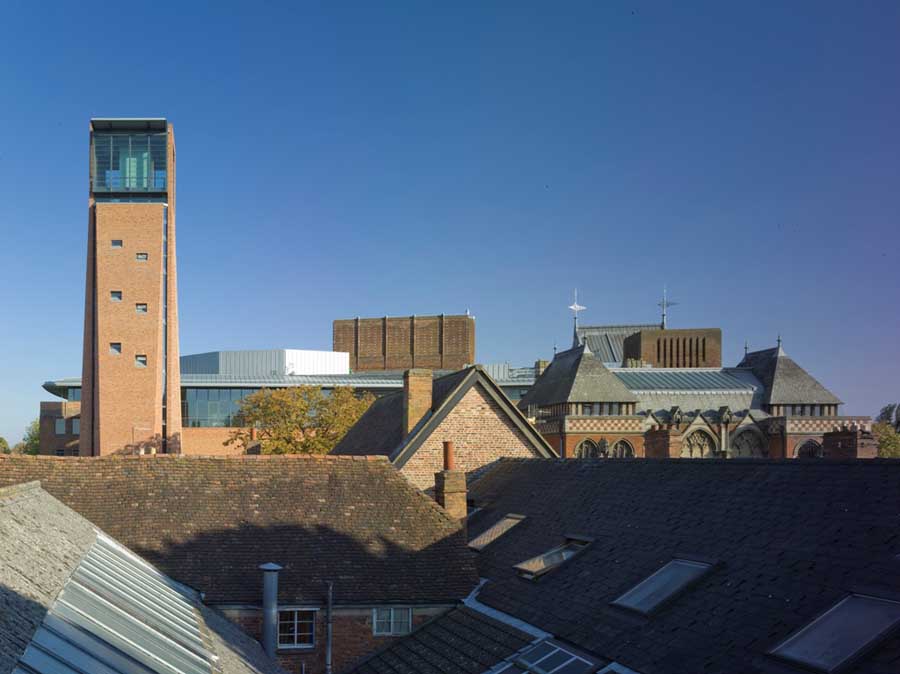
Information on speed dating events in Stratford-upon-Avon and Warwickshire, aimed at single men and women across Herefordshire and the wider region. The page also serves as an introduction agency listing and points to free join options, photos, chat rooms, interest groups, and private webmail.
Locations covered include Stratford-upon-Avon itself as well as nearby towns such as Coventry, with references extending across Warwickshire.
New Jersey Singles & Professional Matchmaking

An overview of professional matchmaking services in New Jersey, highlighting personalized coaching and over 25 years of dating experience. The article describes how a matchmaker works to understand a client's relationship goals, gathers preferences on age range, height range, smoking status, financial security, and personality traits, then brings two people together with continued feedback.
How to Reduce Echo and Reverb in a Home Theater Room
Clear dialogue and controlled bass can transform a home theater, but a reflective room can make every scene sound distant or muddy. Hard plasterboard, glass, timber flooring and bare walls bounce sound around the space, creating echo, reverberation and a lingering wash behind voices.
The problem is common in Australian homes, where open-plan living areas, tiled floors and large windows often share space with the television or projector. A dedicated cinema room gives you more control, but even a lounge room in Brisbane, Melbourne or Perth can sound substantially better with careful placement and a few targeted acoustic treatments.
Reducing room reflections is different from simply turning up the centre speaker. Volume may make speech louder, but it does not remove delayed reflections. The most effective approach combines speaker positioning, soft furnishings, acoustic panels, bass control and sensible receiver calibration.
It also helps to separate acoustic treatment from soundproofing. Treatment improves the sound inside the room; soundproofing limits noise travelling through walls, doors and ceilings. This guide focuses on the first task, while also covering practical cable, equipment and layout decisions that affect how the room sounds.
Identify The Main Sources Of Reflection
Begin by listening from the primary seating position while playing a familiar film or a spoken-word test. Pause after a line of dialogue and notice whether the voice seems to hang in the air. A hand clap can reveal a sharp flutter echo between parallel walls, although music and dialogue are more reliable for judging the room under normal conditions.
Walk around the room and look for broad, hard surfaces facing one another. Bare walls, glass doors, mirrors, polished cabinetry, exposed concrete and a hard ceiling can all return sound energy toward the seating area. A room with timber flooring and minimal furniture will usually sound brighter and more reverberant than a carpeted room with books, curtains and fabric seating.
The listening position matters as well. Sitting close to the back wall can exaggerate bass and make reflected dialogue more obvious. If possible, keep the main seats away from the rear wall by at least 600 millimetres, and avoid placing the left and right speakers directly in corners. In smaller Australian family rooms, moving the sofa even 300 millimetres can improve clarity without any building work.
Do not assume that every unwanted sound is caused by the room. A loose speaker connection, incorrect receiver mode or poorly set crossover can create harshness and muddiness. Check the wiring first, with the receiver switched off, and confirm that each speaker is connected to the correct positive and negative terminals.
Position Speakers For Cleaner Dialogue
The centre speaker carries much of the film dialogue, so its position has a major effect on intelligibility. Place it directly below or above the screen, aimed toward ear level at the main seats. If it sits inside a cabinet, move it close to the front edge so the shelf does not reflect sound upward and forward.
A projector system introduces extra placement decisions. The centre speaker may need to sit below a fixed screen, while a television can accommodate a soundbar or speaker more easily. Keep the speaker as close to the picture as practical; when voices seem to come from below the actors, the mismatch can make the soundtrack feel less natural.
The left and right speakers should form a reasonably equal triangle with the main listening position. Angle them slightly inward, especially in a wide room, and keep their tweeters near seated ear height. Surround speakers should create an enveloping field rather than shout directly into one listener’s head. Side surrounds are generally placed a little above ear level, with rear speakers behind the seating where the room allows.
Subwoofer placement deserves separate attention. Corners provide strong output but can produce boomy notes, while a position along the front wall may give smoother bass. Try two or three locations before fixing the cable route. Use the receiver’s room correction after physical placement, not as a replacement for it.
When using a networked receiver, projector or streaming box, keep power and signal cables organised and avoid running unbalanced analogue audio alongside mains leads for long distances. A clean installation will not absorb reflections, but it reduces hum and intermittent faults that can be mistaken for poor acoustics.
Add Absorption Without Making The Room Dead
Soft furnishings are the simplest acoustic treatment. A thick rug between the front speakers and the seating area reduces floor reflections, while lined curtains help control glass windows. A large fabric sofa, padded chairs and full bookcases break up reflections that would otherwise travel directly between hard walls.
Use absorption where reflections are strongest rather than covering every surface. Broadband acoustic panels 50 to 100 millimetres thick are more useful than very thin decorative foam, which often absorbs only a narrow band of high frequencies. Place panels at the first reflection points on the side walls, found by having someone move a mirror along the wall while you sit in the listening position. Wherever you can see a speaker in the mirror, a panel can help.
A ceiling reflection point can also affect dialogue, particularly in rooms with low plasterboard ceilings. A suspended acoustic cloud or a thick fabric-covered panel above the seating area can reduce the short, bright reflection that makes speech sound sharp. In a rental property, freestanding panels and heavy curtains may be preferable to permanent fixings.
Avoid covering the entire room with absorption. Excessive high-frequency treatment can make the space sound dull while leaving low-frequency problems untouched. A balanced room retains some natural liveliness, allowing music and effects to remain open rather than compressed.
Practical Treatment Materials
- A dense rug with an underlay for hard floors and tiled living areas
- Full-length lined curtains across windows or glass doors
- Broadband wall panels placed at first reflection points
- A fabric sofa, padded ottomans or full-height bookcases
- A ceiling cloud above the main listening position
For Australian homes, materials should suit the climate and construction. In humid coastal areas such as Sydney, Cairns or Darwin, allow airflow behind wall-mounted panels and avoid trapping moisture against an external wall. In dry inland locations, fabric and timber treatments still need regular dusting because fine dust can collect in porous surfaces.
Control Bass And Low-Frequency Resonance
Echo is easy to hear in the mid and high frequencies, but low-frequency resonance often causes the greatest frustration. A subwoofer can excite room modes that make one seat sound boomy and another sound weak. These peaks and dips are caused by the room’s dimensions, not simply by the quality of the subwoofer.
Move around the room while playing a slow bass sweep or a familiar soundtrack. If certain notes become dramatically louder in corners or close to the rear wall, the room is reinforcing those frequencies. Placing the subwoofer at the main seat and walking around the perimeter can help identify locations where the bass sounds most even; the best-sounding position for you to hear is often a strong candidate for the subwoofer.
Bass traps in corners can reduce some low-frequency energy, especially when they are deep enough to work below the upper bass range. Thin foam wedges are rarely sufficient for serious bass control. Large porous traps, membrane absorbers or purpose-built products take up more space but address a broader range of frequencies.
Use the receiver’s crossover and level controls carefully. A crossover around 80 Hz is a useful starting point for many compact speakers, though larger floor-standing models may work better with a different setting. Set the subwoofer phase, gain and distance during calibration, then make small adjustments while listening to dialogue, music and effects.
Room correction systems from brands such as Yamaha, Denon, Marantz and Anthem can reduce frequency peaks and improve consistency across several seats. They cannot repair a badly placed subwoofer or eliminate a long reverberation time. Take measurements from several seating positions and keep the microphone at ear height rather than holding it in your hand.
Calibrate The Receiver And Projector System
Once furniture and treatment are in place, run the receiver’s automatic speaker calibration. Confirm that the microphone is positioned exactly as directed and that the room is quiet during the test. Air conditioners, ceiling fans and kitchen appliances can contaminate the measurements, particularly in an open-plan Queensland or New South Wales home.
Review the results instead of accepting every setting blindly. Check that the receiver identifies each speaker as present, that distances are plausible and that the subwoofer level is not set near its maximum correction range. If the centre speaker is detected as unusually far away, inspect its placement and cable connection before changing the distance manually.
Select a neutral listening mode for testing. Surround upmixing can make a room seem more spacious, but it may also spread dialogue into the side and rear channels. Compare the receiver’s direct, stereo and cinema modes using the same short scene. Keep the mode that gives clear speech without excessive brightness or artificial room ambience.
Projector settings can influence perceived clarity even though they do not change the room’s acoustics. Disable unnecessary audio processing in the projector when the receiver is handling surround decoding, and send the sound through HDMI eARC, optical audio or the correct receiver input. If picture and sound arrive at different times, this lip-sync guide explains how to isolate display, source and receiver delay.
Receiver Checks Before Final Listening
- Confirm speaker polarity at every terminal and wall plate
- Set the centre speaker to a suitable small or large configuration
- Check crossover, distance, level and phase settings
- Compare direct playback with the receiver’s cinema processing
- Re-run calibration after moving furniture or acoustic panels
Keep a note of the final settings. This is useful when a firmware update, new streaming box or replacement projector changes the signal path. If the receiver is connected to the home network, use a strong administrator password, update its firmware and disable services you do not need. Security guidance such as key-based SSH access is aimed at servers, but the same principle applies: reduce unnecessary network exposure.
Improve The Room Around Daily Use
A home theater needs to work for ordinary life, not just a carefully staged movie night. Keep curtains closed during critical viewing, shut nearby doors and remove loose objects that rattle when the subwoofer plays. Decorative glass, ceramic ornaments and hollow furniture can introduce buzzing that sounds like distortion.
Open-plan rooms may need a listening zone rather than a fully isolated cinema space. A large rug, curtains and a strategically placed bookcase can define the zone without blocking walkways. In an Australian rental, reversible changes such as freestanding acoustic panels, thick curtains and movable furniture usually provide the best balance between performance and landlord requirements.
Household preferences also affect the final setup. Children may want louder effects, while older family members often benefit from a stronger centre channel and reduced bass. For families balancing different generations and communication styles, practical age-gap advice can be relevant to agreeing on shared viewing habits; acoustically, that may mean using a lower master volume, clear dialogue enhancement and a consistent seating position.
Ventilation and heat deserve attention in enclosed rooms. Amplifiers, projectors and streaming equipment produce heat, so do not seal them inside a cupboard lined with absorbent material. Leave space around vents, keep equipment racks away from curtains and use a quiet fan only when necessary. Mechanical noise can raise the room’s background level and make subtle dialogue harder to hear.
Troubleshoot Echo After Treatment
If the room still sounds reverberant, remove one change at a time and listen again. A thick rug may solve floor reflections, while a wall panel may make little difference if the main issue is glass behind the seating. Controlled testing prevents you from buying products that address the wrong frequency range.
Persistent flutter echo usually points to untreated parallel surfaces. Add absorption or diffusion to one wall, then reassess from the main seat. Diffusion can preserve a lively sound while scattering reflections, but it needs adequate distance from the listener to work properly. In a compact room, absorption is often more predictable.
If speech remains unclear after the room is treated, inspect the centre speaker itself. Make sure its grille is fitted correctly, the driver is not damaged and the speaker is not pushed deep into a shelf. Try a small increase in centre-channel level rather than raising every channel. Dialogue enhancement should be used sparingly because aggressive processing can make voices thin or sharp.
Finally, compare several sources. A well-mixed Blu-ray, a compressed streaming service and free-to-air television may have very different dialogue levels and dynamic range. Australian broadcast and streaming apps can also apply their own loudness processing. If one source sounds poor while others are clean, investigate that source or its audio output before changing the room again. A balanced combination of controlled reflections, sensible speaker placement and careful calibration will keep voices focused, effects immersive and music natural.
Legitimate Cougar Dating Sites

A guide to finding legitimate cougar dating sites, avoiding scams, and getting good results on platforms such as CougarDate.com, Cougar Life, and Adult FriendFinder. The article lists seven cougar dating sites, examines whether CougarDate.com is a scam, and includes a separate list of free dating and hookup sites.
Olympic Ice Skating Pairs and Romances

An article discussing prominent figure skating romances, marriages, and couples among Olympic ice skating pairs. It profiles eight Olympic ice skating pairs who are couples in real life and explains the required elements of pair skating, including lifts, twist lifts, throw jumps, jumps, and spins.
Expat Dating in Baku

A guide for expatriates looking to date in Baku, Azerbaijan. Topics include social life for expats, safety and comfort in areas like Downtown Baku, the visa process, getting around by mass transit, and monthly events for expatriates. The piece also references Baku hotels and places to stay.
Reformed Matchmaking and Jewish Dating

Content related to Reformed matchmaking, JRetroMatch, and Jewish matchmaking services within the context of religious observance. The article discusses Reform Judaism, the spectrum of positions on halakhic observance, and looks at how matchmaking functions within observant communities.
Age Gap Dating Advice

A discussion on age preferences in dating, referencing research guidelines and personal experiences with age-gap relationships. The piece references Psychology Today and examines whether one well-known age guideline may not work for everyone, along with personal anecdotes from readers.