Steve Platt collects articles and notes on online dating services, professional matchmaking, speed dating events, and relationship advice for a range of locations and demographics.
"If you want a more personal approach to finding matches than online dating provides, consider enlisting the help of a professional matchmaker."
The site covers speed dating events in Stratford-upon-Avon and Warwickshire, New Jersey singles and professional matchmaking with over 25 years of dating experience, the costs of online dating services including eharmony and Badoo, a guide to legitimate cougar dating sites and avoiding scams, an article on Olympic ice skating pairs and figure skating romances, and a guide for expat dating in Baku, Azerbaijan.
Speed Dating in Stratford-upon-Avon
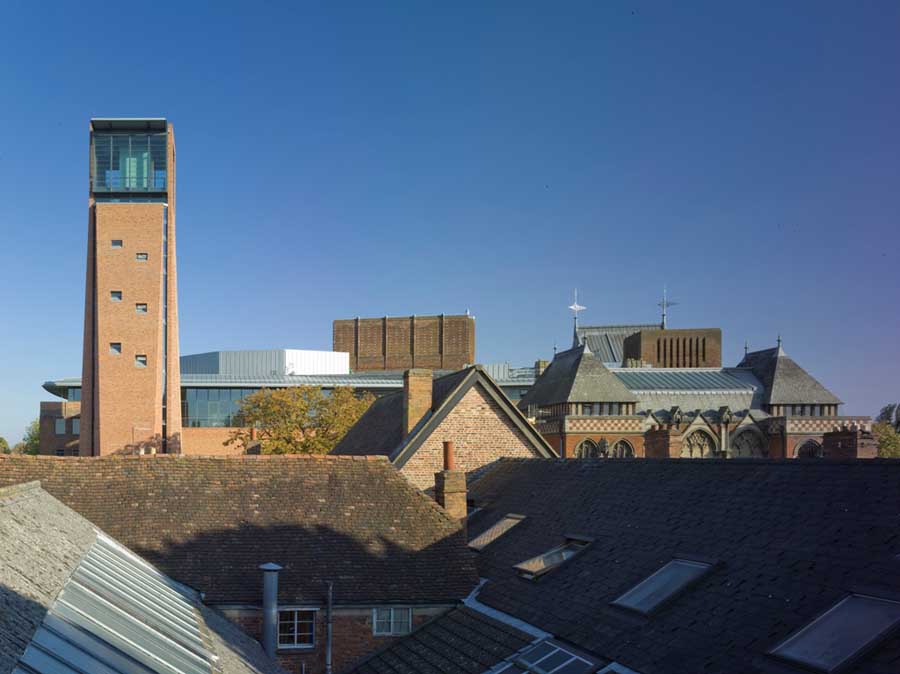
Information on speed dating events in Stratford-upon-Avon and Warwickshire, aimed at single men and women across Herefordshire and the wider region. The page also serves as an introduction agency listing and points to free join options, photos, chat rooms, interest groups, and private webmail.
Locations covered include Stratford-upon-Avon itself as well as nearby towns such as Coventry, with references extending across Warwickshire.
New Jersey Singles & Professional Matchmaking

An overview of professional matchmaking services in New Jersey, highlighting personalized coaching and over 25 years of dating experience. The article describes how a matchmaker works to understand a client's relationship goals, gathers preferences on age range, height range, smoking status, financial security, and personality traits, then brings two people together with continued feedback.
How to Connect an Apple TV to a Projector with No 4K Support
An Apple TV can work perfectly well with a projector that displays only 1080p, 720p or even standard-definition video. The important point is that the Apple TV must negotiate a resolution, refresh rate and copy-protection standard that the projector can accept. A 4K-capable Apple TV does not force a non-4K projector to show a 4K image; it can send a lower-resolution signal when the connection is compatible. Learn more about Nj Matchmaking.
The simplest arrangement uses HDMI from the Apple TV to the projector, with sound sent separately to a soundbar, AV receiver or powered speakers when necessary. Older projectors create the most difficulty because they may use VGA, DVI, component video or an early HDMI input. This guide covers the equipment, connection paths, audio choices, projector settings, cable installation and common faults for an Australian home cinema or lounge room.
Check The Apple TV And Projector Connections
Start by identifying the exact Apple TV model and every input on the projector. Apple TV HD and earlier models are limited to HD output, while Apple TV 4K models can reduce their output to 1080p or 720p. The projector’s model number will usually reveal its maximum resolution, HDMI version and supported HDCP version in the manual or manufacturer’s specifications.
A modern HDMI-to-HDMI connection is the preferred option. Use the Apple TV HDMI port as the source and connect it to the projector’s HDMI input, then connect the Apple TV to power. An Ethernet cable is optional because the device can use Wi-Fi, although a wired network connection is helpful for stable streaming in rooms with weak wireless coverage.
If your projector has DVI rather than HDMI, an HDMI-to-DVI adapter may carry video, but it will not carry sound. VGA cannot accept a direct digital HDMI signal, so it needs an active HDMI-to-VGA converter. Cheap passive adapters often produce a blank screen. For an older unit found in a garage or second-hand market, check that the converter supports HDCP, since streaming services protect their video with digital copy protection.
Choose The Right Signal Path
For most installations, connect the Apple TV directly to the projector. This avoids unnecessary compatibility problems and lets the projector receive the video signal it understands. The disadvantage is that HDMI carries both video and audio to the projector, while many projector speakers are too weak for films, sport or serious music listening.
If you have an AV receiver, there are two useful arrangements. The first sends Apple TV HDMI to the receiver’s HDMI input, then runs a second HDMI cable from the receiver’s monitor output to the projector. The receiver decodes Dolby Digital or other supported formats and powers the speakers. The second arrangement sends Apple TV HDMI directly to the projector and routes sound separately, which is useful when the receiver is old or does not support the required HDCP version.
Before buying equipment, a general technical reference site can be useful for comparing connection terminology, but the Apple TV and projector manuals remain the authority for exact compatibility. Look for HDMI input labels such as “ARC”, “MHL” or “HDCP” and do not assume that every HDMI socket has identical capabilities.
For a soundbar, connect the Apple TV to the soundbar first and then connect the soundbar’s HDMI output to the projector. This works when the soundbar can pass the Apple TV’s video resolution. If the projector or soundbar has no suitable HDMI output, use an HDMI audio extractor, which separates video for the projector and digital audio for the receiver or soundbar.
Configure Audio For Surround Sound
A projector may display the Apple TV picture while sending no useful audio to your speakers. This is common when the sound system is connected to a different device or when an older receiver cannot decode the selected audio format. First decide whether the receiver, soundbar or projector should be the main audio device.
With an AV receiver, select the HDMI input assigned to the Apple TV and set the receiver to decode incoming audio automatically. Connect the centre speaker, front left and right speakers, surrounds and subwoofer to the labelled receiver terminals. Keep speaker polarity consistent: red to red and black to black. A reversed speaker may still work, but dialogue and bass can sound thin or spread incorrectly.
Apple TV audio settings are found under Settings, then Video and Audio. Set Audio Format to Auto when the receiver is modern enough to negotiate Dolby Digital Plus or compatible multichannel audio. If an older receiver produces silence, switch to Stereo or disable unsupported format options. Stereo is less immersive, but reliable sound is better than a surround setting that the equipment cannot decode.
Apple TV 4K models generally do not include an optical audio output. If an older receiver only accepts optical input, use an HDMI audio extractor with optical output, or connect the Apple TV to a television or projector that can pass audio through optical. ARC and eARC are useful only when both connected devices support the required standard and the HDMI wiring follows the correct ports.
Set A Non-4K Picture Correctly
After making the connections, turn on the projector, select its HDMI input and allow the Apple TV to complete its display handshake. On Apple TV, open Video and Audio and choose a format such as 1080p HD at 50 Hz or 60 Hz, depending on what the projector supports. Australian broadcast standards commonly use 50 Hz, so 1080p at 50 Hz is a sensible starting point for an Australian setup, although many projectors also handle 60 Hz without trouble.
Enable Match Content when available. Match Dynamic Range allows the Apple TV to switch between standard and high dynamic range where the display supports it, while Match Frame Rate can improve motion in films and television programmes. An older projector may react poorly to automatic switching, so turn these features off if the image repeatedly disappears whenever playback begins.
Do not select 4K simply because the Apple TV menu offers it. The projector may reject the signal, display an “out of range” message or remain black. If the Apple TV is connected through an AV receiver, switch the receiver and projector off, connect the cables firmly, then power on the projector, receiver and Apple TV in that order. This can refresh the HDMI handshake.
Projector menus also deserve attention. Choose the correct aspect ratio, normally 16:9 for modern streaming content, and disable overscan if the option is available. Use the projector’s native resolution when possible. A 1280×720 projector generally looks cleaner at 720p than when it scales a 1080p signal down.
Manage Long Cables And Australian Rooms
A long HDMI cable can be the source of intermittent dropouts, sparkles or a completely blank image. Keep passive HDMI runs short where possible, especially with older projectors mounted at the rear of a room. For a longer distance across a lounge, use a certified active HDMI cable, HDMI-over-Cat6 extender or fibre HDMI cable rated for the required resolution and HDCP version.
Cable management matters in Australian homes where projectors are often ceiling-mounted in a plasterboard room or installed across a family room. Run cables through conduit rather than burying loose HDMI leads permanently in a wall, and leave a pull string for future replacement. Bunnings carries common conduit, cable clips and wall plates, while electronics retailers such as JB Hi-Fi often stock certified HDMI leads and audio extractors.
Australia uses 230–240 volts at 50 Hz, so use properly rated power boards and avoid importing a projector power supply that expects a different mains standard. A surge-protected board is sensible for equipment connected near a ceiling or entertainment cabinet. Do not run HDMI tightly alongside mains cables for its entire length, and label both ends before the projector is fixed in place.
In a Sydney or Melbourne apartment, wireless congestion can affect streaming even though it does not affect HDMI. In regional areas, slower internet or data limits may make downloaded content and Ethernet more practical. These network issues can look like a projector fault when the actual problem is buffering or reduced streaming quality.
Install And Position The Projector
Place the projector so its lens is square to the screen and within the manufacturer’s throw-distance range. Digital keystone correction can make a crooked image fit the screen, but it reduces usable detail. Physical placement, lens shift and a suitable mount produce a sharper result than relying heavily on keystone controls.
Set the image size using the projector’s zoom and position rather than moving the unit repeatedly after it has been mounted. Confirm that the ceiling bracket does not block ventilation. Projectors generate substantial heat, so leave clear space around the intake and exhaust vents and clean the filter according to the manual.
If the Apple TV menu is visible but films show a black screen, the fault is often HDCP rather than focus or lamp brightness. Test with the Apple TV connected directly to the projector, remove HDMI switches temporarily and try another certified cable. An older projector may work with the Apple TV home screen but fail when protected content begins.
For users connecting through a satellite receiver or another home theatre device, test each component separately. Confirm that the receiver can pass 1080p, that its HDMI output is connected to the projector, and that the correct input is selected. Adding several switches, splitters and converters makes fault finding harder and can reduce the reliability of the copy-protection handshake.
Troubleshoot The Most Common Faults
A “No Signal” message usually points to the wrong input, a loose cable, an unsupported resolution or a failed HDMI handshake. Select every HDMI input in turn, reseat the cables and restart the equipment. If the projector is very old, temporarily connect the Apple TV to a television and set it to 720p before reconnecting it to the projector.
No sound needs a separate check. Verify that the receiver or soundbar is on the correct input, that the audio extractor is powered and that Apple TV audio is not set to an unsupported format. If the projector receives the picture but the receiver remains silent, bypass the projector and test Apple TV directly through the receiver.
A flickering picture may be caused by a poor cable, excessive length, an underpowered HDMI extender or a mismatch between 50 Hz and 60 Hz. Replace one component at a time rather than changing everything together. If streaming pauses while local menus remain stable, test Ethernet or move the Apple TV closer to the wireless router.
A useful troubleshooting habit is to record what changed before each test. A short reflection on learning from past mistakes applies well here: changing several cables and settings at once makes it impossible to identify the actual cause. Restore the simplest direct HDMI connection, confirm video, then add the receiver and other equipment step by step.
Select Equipment For Your Setup
The following options suit different combinations of Apple TV, projector and audio equipment. The best choice is determined by the oldest device in the signal chain, since that component often limits resolution, HDCP compatibility or audio format support.
| Setup | Video connection | Audio connection | Main consideration |
|---|---|---|---|
| Modern projector and soundbar | Apple TV to projector | HDMI ARC or soundbar HDMI input | Confirm ARC and pass-through support |
| Modern AV receiver | Apple TV to receiver, receiver to projector | Receiver decodes HDMI audio | Receiver must pass the projector’s resolution |
| Old projector with HDMI | Apple TV directly to projector | Optical or HDMI extractor to receiver | Check HDCP and supported 720p/1080p modes |
| Projector with DVI | HDMI-to-DVI adapter | Separate audio extractor or receiver | DVI carries video only |
| Projector with VGA | Active HDMI-to-VGA converter | Separate analogue or digital audio path | Passive adapters will not work reliably |
| Long ceiling-mounted run | Active, fibre or Cat6 HDMI solution | Receiver or extractor near the source | Use rated equipment for the required HDCP version |
Practical installation recommendations:
- Set the Apple TV to 1080p or 720p rather than selecting 4K automatically.
- Connect the Apple TV directly to the projector before adding switches or receivers.
- Use an HDMI audio extractor when the projector and older receiver need separate signal paths.
- Choose active or fibre HDMI for long ceiling runs instead of relying on a cheap passive cable.
- Keep speaker polarity consistent and run the receiver’s room calibration after wiring.
- Use conduit, labels and accessible cable joins so future repairs do not require opening the wall.
An Apple TV can provide smooth streaming on a non-4K projector when the video format, HDCP level, audio route and cable length are matched carefully. Once the direct picture is stable, add surround sound and cable-management accessories one component at a time; the result will be easier to operate and far easier to repair than a chain assembled without checking each device’s limits.
Legitimate Cougar Dating Sites

A guide to finding legitimate cougar dating sites, avoiding scams, and getting good results on platforms such as CougarDate.com, Cougar Life, and Adult FriendFinder. The article lists seven cougar dating sites, examines whether CougarDate.com is a scam, and includes a separate list of free dating and hookup sites.
Olympic Ice Skating Pairs and Romances

An article discussing prominent figure skating romances, marriages, and couples among Olympic ice skating pairs. It profiles eight Olympic ice skating pairs who are couples in real life and explains the required elements of pair skating, including lifts, twist lifts, throw jumps, jumps, and spins.
Expat Dating in Baku

A guide for expatriates looking to date in Baku, Azerbaijan. Topics include social life for expats, safety and comfort in areas like Downtown Baku, the visa process, getting around by mass transit, and monthly events for expatriates. The piece also references Baku hotels and places to stay.
Reformed Matchmaking and Jewish Dating

Content related to Reformed matchmaking, JRetroMatch, and Jewish matchmaking services within the context of religious observance. The article discusses Reform Judaism, the spectrum of positions on halakhic observance, and looks at how matchmaking functions within observant communities.
Age Gap Dating Advice

A discussion on age preferences in dating, referencing research guidelines and personal experiences with age-gap relationships. The piece references Psychology Today and examines whether one well-known age guideline may not work for everyone, along with personal anecdotes from readers.