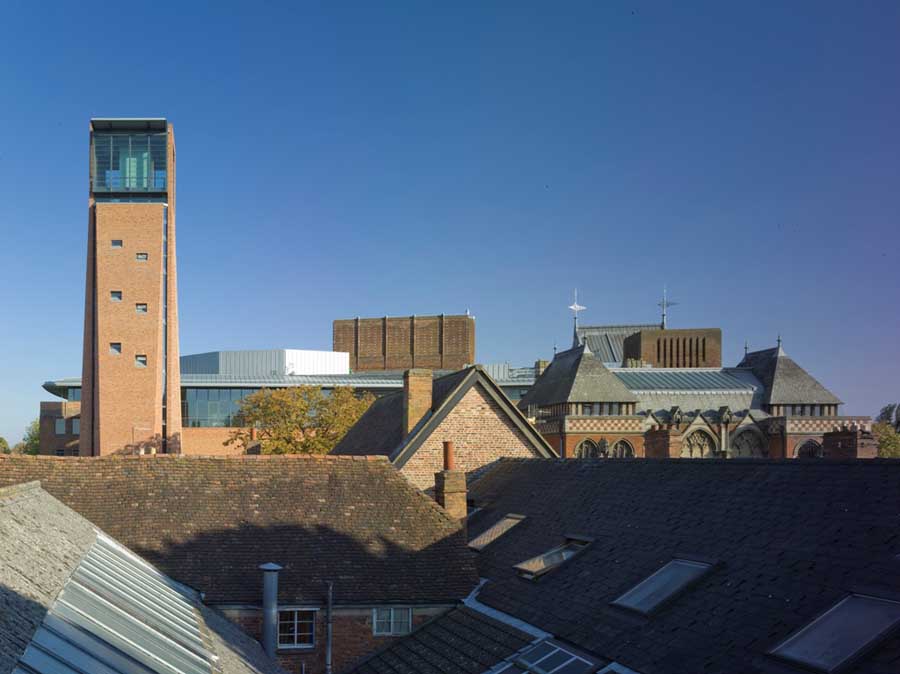
Steve Platt collects articles and notes on online dating services, professional matchmaking, speed dating events, and relationship advice for a range of locations and demographics.
"If you want a more personal approach to finding matches than online dating provides, consider enlisting the help of a professional matchmaker."
The site covers speed dating events in Stratford-upon-Avon and Warwickshire, New Jersey singles and professional matchmaking with over 25 years of dating experience, the costs of online dating services including eharmony and Badoo, a guide to legitimate cougar dating sites and avoiding scams, an article on Olympic ice skating pairs and figure skating romances, and a guide for expat dating in Baku, Azerbaijan.
Speed Dating in Stratford-upon-Avon
Information on speed dating events in Stratford-upon-Avon and Warwickshire, aimed at single men and women across Herefordshire and the wider region. The page also serves as an introduction agency listing and points to free join options, photos, chat rooms, interest groups, and private webmail.
Locations covered include Stratford-upon-Avon itself as well as nearby towns such as Coventry, with references extending across Warwickshire.
New Jersey Singles & Professional Matchmaking

An overview of professional matchmaking services in New Jersey, highlighting personalized coaching and over 25 years of dating experience. The article describes how a matchmaker works to understand a client's relationship goals, gathers preferences on age range, height range, smoking status, financial security, and personality traits, then brings two people together with continued feedback.
How to choose the right projector screen for your room
Home cinema has quietly become a national pastime across Australia. Drive through the leafy suburbs of Brisbane on a Saturday morning and you will spot freshly installed pull-down screens mounted above family-room cabinets in freshly renovated Queenslanders. In Perth, the long summer evenings push many households to upgrade from a wobbly television stand to a proper 120-inch fixed frame. Even renters in Melbourne share houses are getting in on the action, pairing second-hand screens with portable projectors they keep in the hallway cupboard.
What separates a memorable cinematic experience from a washed-out rectangle on the wall comes down to the screen itself more than the projector. Lumens, contrast ratios and resolution get all the marketing attention, yet the surface those pixels land on quietly shapes everything you see. Glare from a west-facing window in an Adelaide bungalow, a low-gain matte white in a sun-drenched Sydney apartment or the wrong aspect ratio in a narrow Melbourne terrace can turn an expensive projector into an exercise in frustration. Choosing well requires understanding materials, room dimensions, ambient light and how Australians actually use their living spaces.
This guide walks through the practical decisions that matter for a screen purchase: the differences between matte white, grey and ambient-light-rejecting surfaces, how to size a screen for standard Australian ceiling heights, the role of aspect ratio with modern streaming, and what to consider when dealing with our famously bright interiors. Grounded recommendations at the end should make the choice easier, whether you are building a dedicated cinema room, a multipurpose family lounge in Hobart or simply upgrading a shared living area in Canberra.
Understanding screen materials and surface types
The first decision is the surface material. Most fixed-frame and motorised screens sold in Australia use one of three common coatings, each designed for a specific lighting condition. Matte white is the classic reference surface, with a gain of roughly 1.0 and a wide viewing cone that suits a typical suburban living room. It reflects light evenly back toward the audience, which makes colours look accurate and viewing angles forgiving when you have guests sprawled across a modular sofa during the Boxing Day Test.
Grey screens, sometimes called high-contrast screens, have darker coatings that absorb more stray ambient light. They are popular in Adelaide and Perth homes where large windows let in punishing late-afternoon sun, and they tend to produce deeper blacks even when paired with budget projectors that lack advanced iris systems. The trade-off is a slightly narrower optimal viewing cone, so the seating arrangement matters more than it would with matte white.
Ambient-light-rejecting (ALR) screens are the premium option. They use microscopic optical layers to redirect projector light toward the audience while pushing window light away. In a Sydney apartment with floor-to-ceiling glass facing east, an ALR screen can rescue the picture during morning news watching without forcing you to wrestle with heavy blackout curtains. The catch is price, with fixed ALR frames commonly sitting above the two-thousand-dollar mark at retailers like JB Hi-Fi. Australians wanting to compare technologies side by side often spend a quiet weekend reading through detailed home theatre guides to build a shortlist that suits their room.
Matching screen size to ceiling height and room depth
Standard Australian homes tend to have ceiling heights between 2.4 and 2.7 metres, which is tighter than the lofty spaces American screen-sizing charts assume. A 120-inch diagonal screen in the popular 16:9 format measures roughly 2.66 metres wide and 1.5 metres tall, which fits comfortably under most ceilings but leaves no margin for a centre speaker placed below. Mounting the screen above a low cabinet, common in renovated Sydney terraces and Melbourne Edwardians, often forces compromises on screen height that result in neck strain during long films.
A useful rule of thumb is to keep the bottom edge of the screen between 60 and 90 centimetres off the floor when seated viewing is the priority. In a dedicated theatre room with tiered seating, the screen can be mounted higher because viewers are looking upward from reclined positions. Always measure the throw distance of your projector too; the unit-to-screen distance determines the maximum width the image will fill without distortion. Many Australians run into trouble buying a 135-inch screen only to discover their short-throw projector cannot illuminate it properly.
Before committing, sketch the room to scale or use one of the free projector calculators offered by local AV specialists. Mark the seating positions, door swings and where the rear speakers will sit. The resulting floor plan usually reveals whether a 100-inch screen is the realistic option, or whether the room geometry allows for an immersive 120-inch diagonal without anyone having to crane their neck. A screen too large for the viewing distance will reveal every pixel structure and turn a quiet drama into a headache.
Aspect ratio and modern streaming content
Aspect ratio used to be straightforward: 16:9 for everything. The arrival of streaming services has complicated matters considerably. Most prestige television now arrives in 2.00:1 or 2.39:1, and an increasing number of Australian productions on Stan and Binge are framed in cinematic ratios that leave thick black bars on a 16:9 screen. A 2.35:1 or 2.40:1 cinemascope screen paired with a projector that supports anamorphic or lens-memory scaling will fill the entire surface during a movie and still look correct for broadcast television.
For households that primarily watch Australian free-to-air channels, NBN-streamed sport and the occasional Blu-ray, a 16:9 screen remains the simplest and most versatile choice. The format aligns perfectly with 1080p and 4K broadcast signals and avoids any lens-memory gymnastics. A motorised 16:9 screen that drops in front of a wall-mounted television can also double as a hidden display, which appeals to design-conscious renovators in Brisbane's newer apartment towers where the living room doubles as a study.
Think about what fills your weekly viewing. If it is mostly cricket on Foxtel, Formula 1 races and the occasional Marvel film, the standard 16:9 ratio will treat you well. If your household has shifted largely to Netflix originals and arthouse cinema, the wider cinemascope aspect ratio delivers a meaningful upgrade in immersion, provided the projector supports it and you have the wall width to accommodate the extra horizontal real estate. Picking the right surface and aspect ratio combination feels a lot like choosing the right long-term match - both work best when the fundamentals align, and a rushed decision rarely ages well.
Ambient light, gain and Australian conditions
Australia is an unusually bright country. The low angle of the winter sun in Hobart, the fierce afternoon glare in Perth and the soft overcast skies of a Melbourne winter all behave differently when they hit a projection surface. Gain describes how much light the screen reflects relative to a reference matte white, and the wrong gain can wash out your image or create hot spots that pull focus away from the centre of the screen.
A high-gain screen (above 1.3) reflects more light back toward a narrow viewing cone. This suits a single-row seating layout in a darker room, such as a converted Adelaide garage with blackout blinds. The image looks brighter and more vivid from the centre seats, but viewers on the edges see dimmer corners. Low-gain screens (around 0.8 to 1.0) handle wide seating arrangements better but require a brighter projector to look punchy in any ambient light.
For Australian conditions, the rule is to match the screen to the brightest realistic moment you will watch something. If your household watches the evening news with the curtains open, invest in an ALR screen or accept that evening viewing requires dimming the room. If you only fire up the projector after sunset, a matte white or grey surface will reward you with accurate colour and fewer compromises, and the budget saved can go toward better speakers or acoustic treatment. The Australian Standard AS/NZS 63005 also covers safe installation practices for ceiling-mounted AV gear, which is worth reviewing before drilling into a heritage-listed ceiling.
Installation, cabling and long-term maintenance
Once the screen is chosen, installation determines whether the picture looks as good in the room as it did in the showroom. Australian ceiling joists in newer brick homes are usually 450 millimetres apart, which lines up cleanly with the mounting brackets on most pull-down and motorised screens. Older homes in Adelaide and Hobart with traditional timber ceilings may have irregular framing that requires additional blocking before a heavy motorised unit is hung. If unsure, a registered installer familiar with local construction types can save a lot of heartache, and the work may be covered under a builder's guarantee.
Cable management is the other quiet success factor. HDMI cables certified for 4K at 60 hertz are bulky, and running them through a ceiling cavity into a wall plate behind the projector keeps the room visually clean. Australian electrical code requires low-voltage AV cabling to be separated from mains wiring by at least 50 millimetres, and in-cavity installations must use cables rated for cavity conditions. Many Brisbane homeowners now run conduit from the projector to a cupboard-sized AV rack in the garage, accommodating a receiver, gaming consoles and a network switch without cluttering the living area.
Cleaning differs by surface. ALR screens have delicate optical layers that should only be dusted with a soft microfibre cloth and never touched with solvents; matte white and grey surfaces tolerate a light wipe with a barely damp cloth. Spare remote controls and replacement motors are stocked by most AV retailers, but lead times from overseas suppliers mean it is worth registering the warranty straight after install. Once the install is complete, evenings tend to settle into a new rhythm, and many households find the finished theatre doubles as a relaxed social backdrop for everything from a State of Origin replay to a quiet catch-up after dinner. Lifestyle sites that cover home theatre projects rarely stick to one topic, and readers browsing for installation guides will frequently encounter adjacent content ranging from speaker placement to mature dating advice, a reminder that entertainment setups sit inside a wider lifestyle conversation.
What to confirm before you click buy
- Measure the room, mark the seating positions, then choose the largest screen that fits without forcing neck strain or compromising seating placement.
- Match the surface type to the brightest realistic viewing hour: ALR for daytime viewing, matte white for dedicated darkened rooms and grey as a versatile middle path.
- Pick the aspect ratio that mirrors your actual viewing habits rather than the most cinematic option on paper.
- Budget for professional installation if the screen needs to be ceiling-mounted, especially in heritage or older homes where ceiling structures vary.
- Test the screen in your room at the time of day you watch most often before committing, using the same throw distance and lighting conditions you intend to live with.
- Keep receipts, register warranties immediately and note the serial numbers of motorised units so replacement parts can be sourced quickly years later.
Choosing the right projector screen comes down to honest answers about your room, your viewing habits and the brightness conditions you will actually experience. A screen chosen with those realities in mind will outlive several projector upgrades and become the centrepiece of family movie nights, cricket-watching gatherings and quiet weekday dramas alike. The investment of an afternoon with a tape measure pays off for the next decade.
Legitimate Cougar Dating Sites
A guide to finding legitimate cougar dating sites, avoiding scams, and getting good results on platforms such as CougarDate.com, Cougar Life, and Adult FriendFinder. The article lists seven cougar dating sites, examines whether CougarDate.com is a scam, and includes a separate list of free dating and hookup sites.
Olympic Ice Skating Pairs and Romances

An article discussing prominent figure skating romances, marriages, and couples among Olympic ice skating pairs. It profiles eight Olympic ice skating pairs who are couples in real life and explains the required elements of pair skating, including lifts, twist lifts, throw jumps, jumps, and spins.
Expat Dating in Baku

A guide for expatriates looking to date in Baku, Azerbaijan. Topics include social life for expats, safety and comfort in areas like Downtown Baku, the visa process, getting around by mass transit, and monthly events for expatriates. The piece also references Baku hotels and places to stay.
Reformed Matchmaking and Jewish Dating

Content related to Reformed matchmaking, JRetroMatch, and Jewish matchmaking services within the context of religious observance. The article discusses Reform Judaism, the spectrum of positions on halakhic observance, and looks at how matchmaking functions within observant communities.
Age Gap Dating Advice

A discussion on age preferences in dating, referencing research guidelines and personal experiences with age-gap relationships. The piece references Psychology Today and examines whether one well-known age guideline may not work for everyone, along with personal anecdotes from readers.