Steve Platt collects articles and notes on online dating services, professional matchmaking, speed dating events, and relationship advice for a range of locations and demographics.
"If you want a more personal approach to finding matches than online dating provides, consider enlisting the help of a professional matchmaker."
The site covers speed dating events in Stratford-upon-Avon and Warwickshire, New Jersey singles and professional matchmaking with over 25 years of dating experience, the costs of online dating services including eharmony and Badoo, a guide to legitimate cougar dating sites and avoiding scams, an article on Olympic ice skating pairs and figure skating romances, and a guide for expat dating in Baku, Azerbaijan.
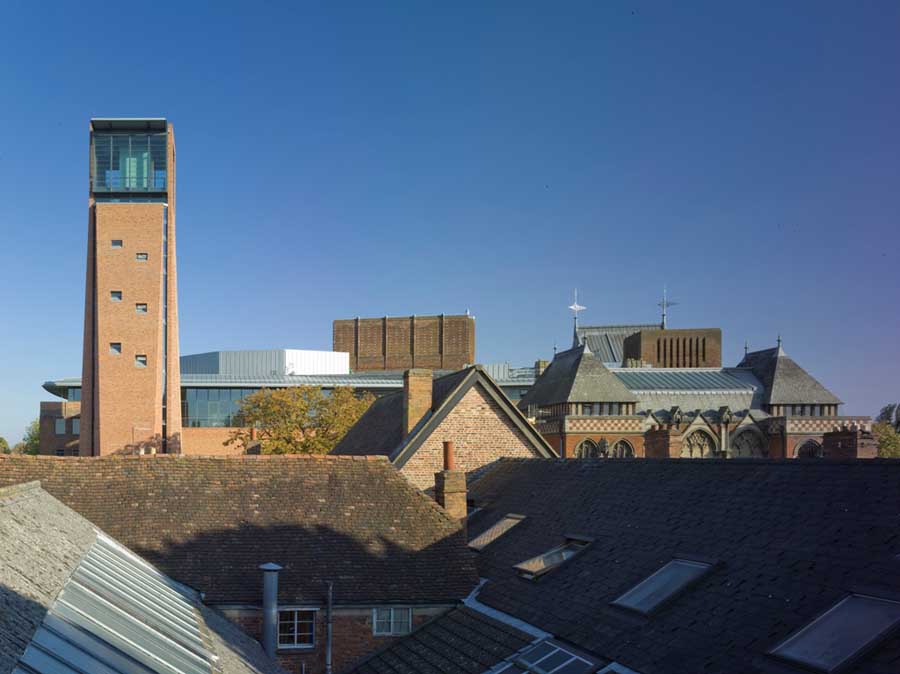
Speed Dating in Stratford-upon-Avon

Information on speed dating events in Stratford-upon-Avon and Warwickshire, aimed at single men and women across Herefordshire and the wider region. The page also serves as an introduction agency listing and points to free join options, photos, chat rooms, interest groups, and private webmail.
Locations covered include Stratford-upon-Avon itself as well as nearby towns such as Coventry, with references extending across Warwickshire.
New Jersey Singles & Professional Matchmaking

An overview of professional matchmaking services in New Jersey, highlighting personalized coaching and over 25 years of dating experience. The article describes how a matchmaker works to understand a client's relationship goals, gathers preferences on age range, height range, smoking status, financial security, and personality traits, then brings two people together with continued feedback.
How To Build A Simple Acoustic Panel Frame With Fabric
A fabric-wrapped acoustic panel is a practical way to reduce echo, sharpen speech and make a home theatre, music room or office feel calmer. The basic construction is straightforward: a shallow timber frame holds porous insulation, while breathable fabric covers the front and wraps around the sides.
This project suits Australian homes because the materials are easy to find at hardware stores, timber yards and fabric shops in Sydney, Melbourne, Brisbane, Perth and regional towns. It also works well in rented rooms when the finished panels are mounted with removable hardware rather than fixed permanently to the wall.
Good acoustic treatment is different from soundproofing. A panel absorbs reflections inside a room; it will not stop bass, television noise or conversations travelling through plasterboard. Used in the right places, however, a few well-made panels can make a modest surround sound system or projector setup sound noticeably cleaner.
Choose The Room And Panel Size
Start by identifying the surfaces that create the strongest early reflections. Sit in the main listening position and ask someone to move a small mirror along the side wall. Wherever you can see a front speaker in the mirror is a useful location for a broadband absorber. Repeat the process on the opposite wall and consider the ceiling above the seating position.
For a common home theatre, panels measuring about 1200 mm by 600 mm are large enough to be effective without becoming difficult to handle. A depth of 75 to 100 mm gives the insulation room to absorb a useful range of mid and high frequencies. Leaving a 50 mm air gap behind the panel can improve low-mid absorption, so the frame does not need to sit flush against the wall.
Room proportions matter as much as panel quantity. A carpeted lounge may already control some floor reflections, while painted plasterboard, glass doors and bare ceilings remain lively. Before cutting timber, consider the complete speaker layout and projector position. This carpeted-room setup guide can help when acoustic panels are being added to an existing home cinema.
Gather Materials And Tools
Use straight, dry pine or similar dressed timber. Structural strength is not required, but warped rails make it harder to achieve a square frame and can cause wrinkles in the fabric. Rockwool or acoustic polyester batts are suitable infill materials; select a product that is designed for interior use and follow its handling instructions.
Materials And Tools Checklist
- Four straight timber rails, commonly 70 by 35 mm or similar
- Breathable upholstery fabric, speaker cloth or heavy cotton
- Acoustic polyester or mineral wool insulation sized for the frame
- Wood screws, corner brackets or pocket-hole fasteners
- Tape measure, square, drill, saw, staple gun and scissors
Choose fabric by testing its breathability. Hold a small piece over your mouth and breathe through it gently. If air passes through without much resistance, sound is more likely to reach the absorber. Velvet with a dense backing, vinyl, leather and tightly laminated decorative cloth can reflect sound and are poor choices for the front face.
Buy slightly more fabric than the panel dimensions suggest. Allow at least 100 mm of extra material on every side so it can be pulled around the frame and stapled on the rear. Australian upholstery suppliers often sell fabric by the metre, while craft shops may carry narrower rolls that are unsuitable for a wide panel.
Build The Timber Frame
Cut two long rails and two short rails for each rectangle. A 1200 by 600 mm panel made with 70 mm-wide timber will need the outer dimensions marked carefully, because the joinery method changes the finished size. Butt joints are simplest: place the short rails between the long rails and check the overall dimensions before fixing them.
Apply a small amount of wood glue to each joint, pre-drill the timber and drive two screws through each outside rail into the end grain of the adjoining piece. Clamp or hold the frame on a flat floor while working. Measure both diagonals; if they are the same length, the frame is square. A slightly twisted frame will transfer its defects to the fabric.
For a larger panel, add a centre brace or two cross braces. Keep braces away from the front face where possible, since they can interrupt the continuous absorber. Sand sharp edges and corners so they do not cut the fabric. A quick coat of water-based paint on the timber can reduce dust and protect the frame, although it is unnecessary if all wood will be hidden.
Fit The Absorber And Fabric
Cut the insulation so it fits neatly inside the frame without being heavily compressed. Compression reduces the effective depth and can make the panel less efficient. If the material is slightly loose, use a few strips of fabric, cord or thin wire across the back to hold it in place. Do not use an airtight plastic layer over the front.
Lay the fabric face down on a clean floor, place the frame and infill on top, then pull the cloth over one long edge and staple it to the rear. Work on the opposite edge next, applying moderate tension. Secure the short edges afterward, folding the corners like a neatly wrapped parcel. Place staples about 50 to 75 mm apart and keep them well inside the timber edge.
Avoid stretching the cloth so tightly that the frame bows or the weave becomes visibly distorted. For a professional finish, alternate between opposite sides rather than fastening one entire edge before moving to the next. Trim excess fabric only after the front has been checked for ripples, sagging and uneven corners.
When using mineral wool, wear gloves, long sleeves, eye protection and a suitable mask while cutting and handling it. Enclose the rear with breathable landscape fabric or another porous backing if loose fibres could escape. Polyester batts are often more comfortable to handle and are a sensible option for a family room or bedroom.
Mount Panels Safely
A panel must be supported by the frame, not by the fabric or the insulation. French cleats, picture-hanging rails and heavy-duty interlocking brackets are good options. Fix the wall side into studs wherever possible. In Australian homes, wall construction varies between brick veneer, double brick, concrete and plasterboard, so choose anchors that match the substrate.
For plasterboard, locate studs with a detector or by measuring from known framing points. If a stud is unavailable, use a rated hollow-wall anchor and check its working load. Masonry walls require the correct drill bit and wall plug. Do not assume a small plastic plug will hold a heavy panel above a sofa or seating row.
Leave a controlled air gap behind the absorber with spacers or a deep cleat. This gap improves performance and also prevents the panel from sitting directly against a damp or uneven wall. In humid coastal areas such as Brisbane, Darwin or parts of northern New South Wales, allow some ventilation and avoid trapping moisture behind untreated timber.
The same planning principle applies to speakers. A clean treatment layout should not block vents, access panels or cable routes. If the room also includes in-wall speakers, this guide to in-wall speaker installation is useful when coordinating acoustic panels with flush-mounted equipment.
Tune The Room Around The Panels
Begin with two panels at the first-reflection points, then listen before adding more. Speech should become easier to understand, and dialogue should sound less smeared across the room. Music should retain detail without becoming unnaturally dry. If every wall is covered with absorbent material, the room may lose liveliness and sound closed-in.
Bass problems need different treatment. A 100 mm fabric panel is effective mainly through the mid and high frequencies, while low-frequency build-up collects in corners and along boundaries. Thick corner traps, larger air gaps and carefully positioned subwoofers are more useful for bass. Equalisation can help after physical treatment, but it cannot fully correct severe room modes.
Keep the front stage and listening position in mind. In a small Australian lounge, a panel may need to share a wall with a bookcase, split-system air conditioner or sliding door. Place treatment where it offers the greatest acoustic benefit without blocking ventilation, controls or natural movement through the room.
When researching room treatment, separate technical advice from unrelated promotional material. A page such as room setup notes may sit among mixed web content, so verify material specifications and installation claims against the manufacturer’s documentation. The same caution applies to pages that combine home improvement information with unrelated listings, such as this matchmaking page, which has no bearing on acoustic construction.
Troubleshoot Common Problems
Wrinkled fabric usually means the material was pulled unevenly or the frame is not square. Remove only the staples along the affected edge, smooth the cloth and re-tension it gradually. If the fabric keeps slipping, use a wider folded hem on the rear or add a second row of staples.
A hollow or weak-sounding panel often has insufficient depth, overly dense covering or an airtight fabric layer. Test the fabric before making several panels. If the room still sounds reflective, add an air gap behind the absorber or move the panel closer to a confirmed reflection point rather than immediately building more units.
Checks Before Final Mounting
- Confirm that the frame is square and every screw is tight
- Test fabric breathability and inspect the front for loose threads
- Check insulation edges for exposed fibres or gaps
- Verify wall anchors against the panel’s finished weight
- Keep panels clear of power outlets, vents and projector airflow
Rattles usually come from loose hardware, a frame touching the wall or a bracket that allows movement. Press gently on each corner while playing a low-frequency test tone, then add felt pads, tighten fasteners or improve the cleat. Do not permanently glue a panel to a painted wall, as removal can damage the surface and make later repositioning difficult.
Finally, label the rear of each panel if several are made with different depths or fabrics. Record the mounting locations and leave enough flexibility to move them after listening tests. A simple, square frame with breathable cloth and correctly positioned insulation will usually deliver a larger improvement than an elaborate design installed in the wrong part of the room.
Legitimate Cougar Dating Sites

A guide to finding legitimate cougar dating sites, avoiding scams, and getting good results on platforms such as CougarDate.com, Cougar Life, and Adult FriendFinder. The article lists seven cougar dating sites, examines whether CougarDate.com is a scam, and includes a separate list of free dating and hookup sites.
Olympic Ice Skating Pairs and Romances

An article discussing prominent figure skating romances, marriages, and couples among Olympic ice skating pairs. It profiles eight Olympic ice skating pairs who are couples in real life and explains the required elements of pair skating, including lifts, twist lifts, throw jumps, jumps, and spins.
Expat Dating in Baku

A guide for expatriates looking to date in Baku, Azerbaijan. Topics include social life for expats, safety and comfort in areas like Downtown Baku, the visa process, getting around by mass transit, and monthly events for expatriates. The piece also references Baku hotels and places to stay.
Reformed Matchmaking and Jewish Dating

Content related to Reformed matchmaking, JRetroMatch, and Jewish matchmaking services within the context of religious observance. The article discusses Reform Judaism, the spectrum of positions on halakhic observance, and looks at how matchmaking functions within observant communities.
Age Gap Dating Advice

A discussion on age preferences in dating, referencing research guidelines and personal experiences with age-gap relationships. The piece references Psychology Today and examines whether one well-known age guideline may not work for everyone, along with personal anecdotes from readers.